
Tag: Galvanizing Process
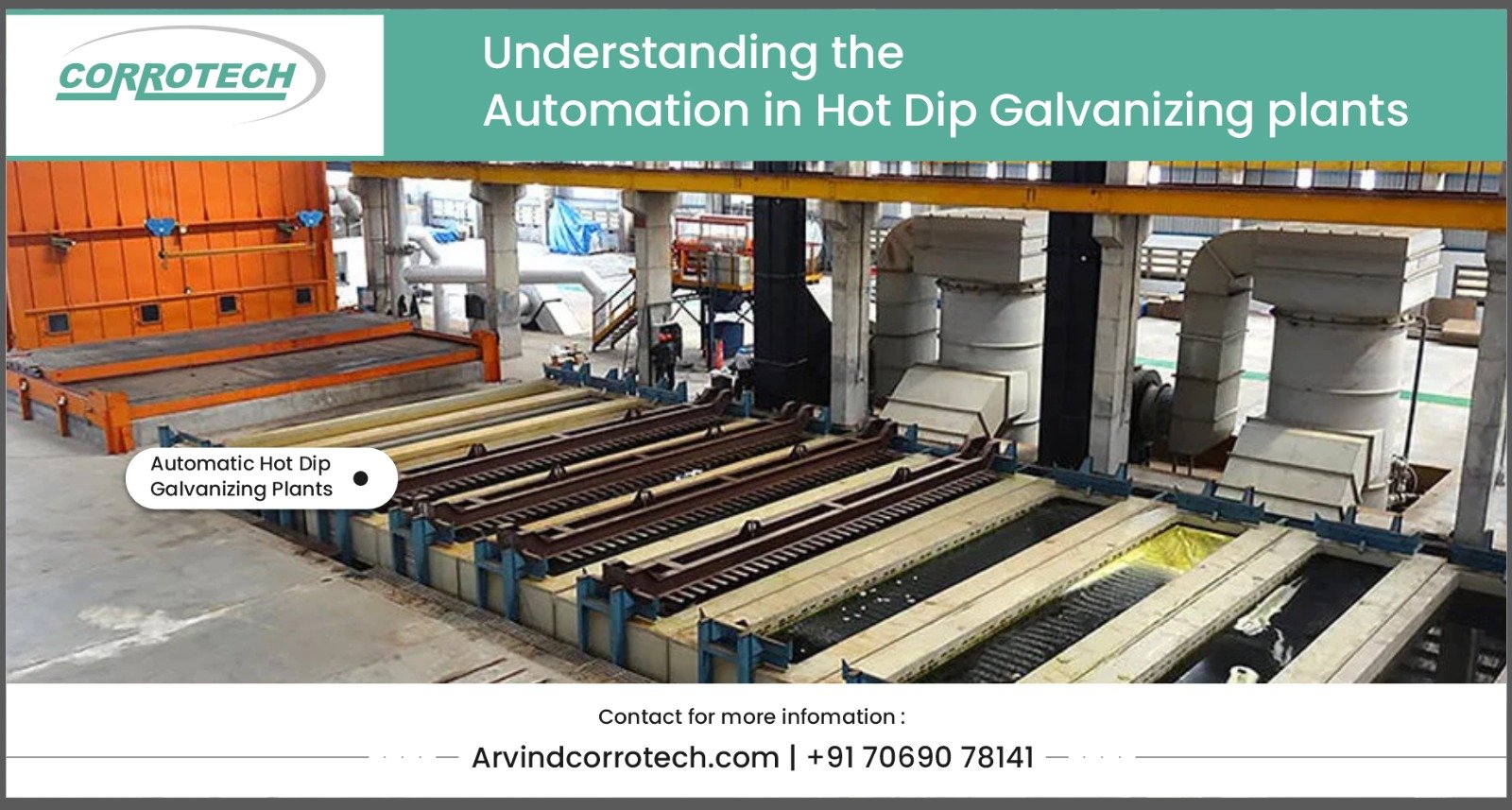
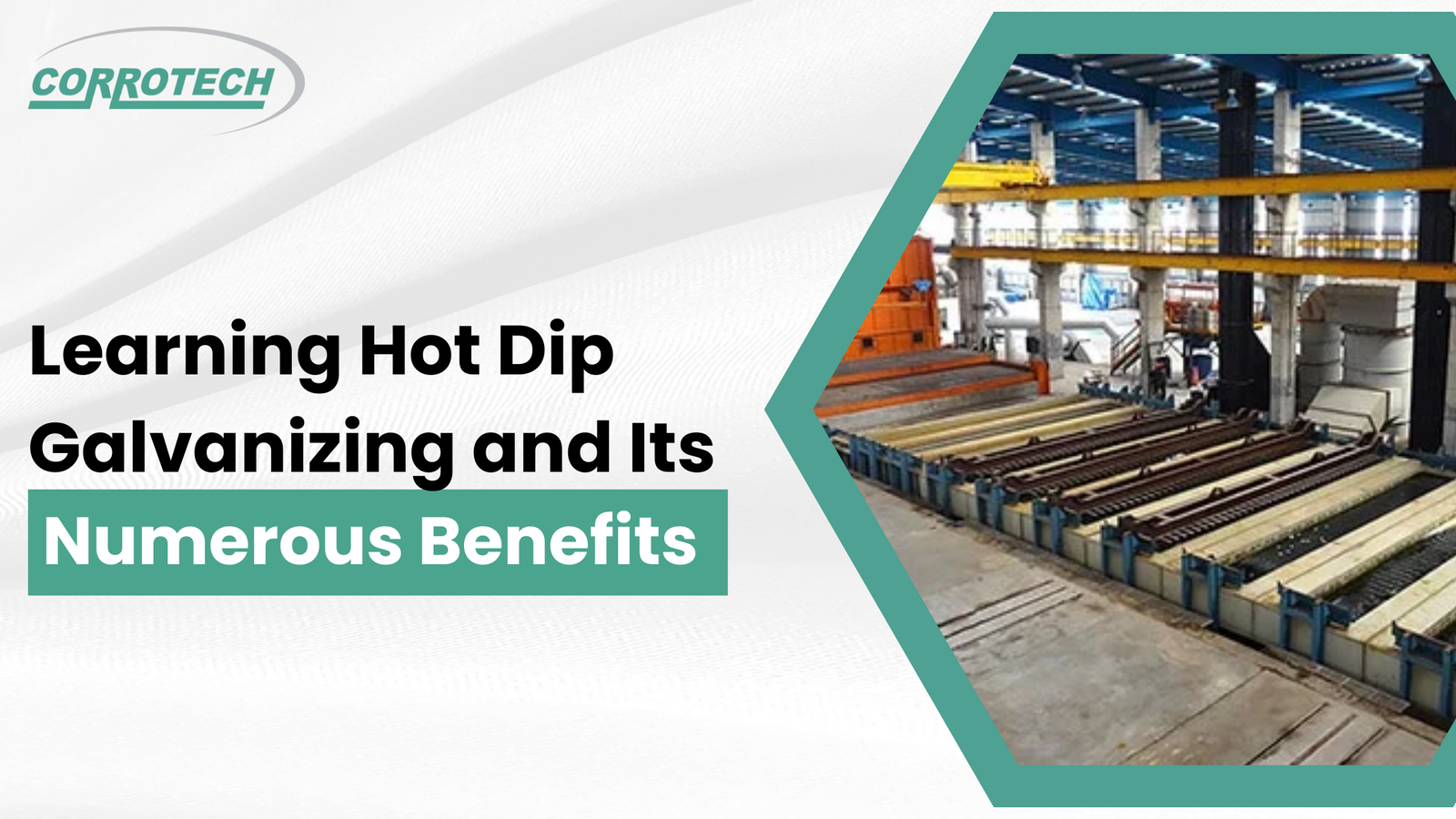
Businesses aiming at improving the efficacy and quality of their galvanizing procedures should think about investing in automatic hot dip galvanizing plants. The latest technology in automatic plants enables the automation of many galvanizing procedures, resulting in greater output and uniform outcomes.
Understanding the components of these plants is very important for making decisions regarding implementation and operation. In this blog, we will understand the essential components of Automatic galvanizing plants, and also the function and benefit of each component.
-
Pre-Treatment section
The first stage in the galvanizing process is the pre-treatment section. This stage is important for preparing metal or in simple terms steel products for coating. The things which are included in this section are:
- Degreasing Tanks
These tanks help in removing the excess oil, grease, and other oily substances which are present on the steel surface. A completely clean surface is very essential before the zinc coating.
- Pickling Tanks
These tanks are filled with acid solutions and help in removing rust, scale or any such oxide from the steel. The use of this tank provides a proper smooth and clean surface for galvanizing.
- Rinsing Tanks
After pickling the steel with acid, the steel is again rinsed in the tank to remove the leftover acid from the surface.
The benefits of the Pre-Treatment section are:
- Provides clean and smooth steel surfaces.
- Will help in giving the proper zinc coating.
- Will improve the quality of the final product.
- Fluxing section
In this section, the clean steel is dipped into a flux solution, which is simply, ammonium chloride. This step is important as it prevents oxidation. The different components of this section are:
- Flux tanks
These tanks have flux solutions, which help in promoting the bond of zinc and steel.
- Drying ovens
Steel parts after fluxing are dried properly in this oven to remove any sort of residual moisture and to ensure uniform zinc coating.
The benefits of the fluxing section are:
- It helps prevent oxidation.
- It helps in providing a strong bond between iron and zinc.
- It helps in improving the quality and durability of the galvanized coating.
- Galvanizing Kettle
This is the most important component of the galvanization process. It has molten zinc which has a temperature around 450°C.
The different components of this include:
- Kettle
The kettle which is used is made up of steel and has ceramic linings, it is used to hold molten zinc for the dipping process.
- Heating System
This system helps in ensuring that the zinc is at the appropriate temperature which is very important for effective galvanizing.
- Dipping mechanism
This mechanism is used for raising the steel parts into and out of the molten zinc, to provide even coating.
The benefits of Galvanizing Kettles are:
- It helps in providing uniform zinc coating.
- It increases corrosion resistance.
- It ensures the durability of the steel products.
- Cooling and Quenching section
After coating the steel parts with zinc, the parts need to be cooled and solidified. This section of the galvanizing process includes:
- Cooling tanks
In this tank, the galvanized steel is cooled using either water or air to solidify the zinc coating properly.
- Quenching tanks
This tank is mostly filled with passivation solution, to enhance the appearance and corrosion resistance property of the zinc coating.
The benefits of the Cooling and Quenching section include:
- The rapid cooling helps in solidifying the zinc coating.
- The passivation which is provided helps in improving corrosion resistance and appearance.
- This section provides durability to the galvanized products.
- Post-treatment section
This section involves additional processes, to improve the quality and finish of the galvanized products. The processes involved are:
- Inspection and finishing
The automated galvanizing plants, in this process, inspect the galvanized products to ensure that there are no defects or uneven coating. Finishing the product includes removing the excess zinc and also adding protective coatings.
The benefits of the Post-treatment section are:
- This section ensures that there is no defect in the product.
- It helps in improving the appearance and durability of the products.
- It prepares the product for safe transportation.
- Control systems
There are advanced control systems which are integrated into the automatic galvanizing plants, to ensure precision and efficiency.
- Programmable logic controllers
These controllers control the entire process from pre-treatment to post-treatment ensuring that each stage is operating correctly.
- Monitoring systems
These systems provide real-time data based on process parameters, which allows adjustments to maintain the optimal temperature.
- Safety systems
They help in protecting the workers and different instruments from any potential hazard.
Benefits of control systems
- It helps in improving the operational efficiency.
- It provides consistent quality and adherence to standards.
- Provides safety and reduces the risk of accidents.
Conclusion
Investing in a proper Automatic Galvanizing plant or a Turnkey hot dip galvanizing plant can provide many advantages like increased efficiency, consistent results, and enhanced safety. Understanding all the key components helps the businesses to make proper decisions about the implementation and operation.
We at Arvind Corrotech, are leading galvanizing plant manufacturers and provide all the solutions according to your needs. By using advanced technology and automation, hot dip galvanizing plants can improve your production capabilities and provide you with high-quality galvanized products.
In this business-centric blog, we are going to highlight galvanizing process, its importance, and benefits, and how galvanizing plants in Gujarat leaves a mark.
You might have come across an electric pole that is still standing tall and has survived inclement and rough weather for years. Many automobile parts look perfectly fine though these parts are consistently facing rain and rough weather. Now, an important question crosses your mind, how does it possible? What makes it happen? These and many other similar questions will be addressed in this blog.
So, which is that process? It’s all credited to the galvanization process.

Learning about the galvanization process
It is a scientifically-driven process wherein iron or steel-made items are immersed in the molten lava of zinc. As a result, a scientific reaction between iron and zinc takes place, leading to the formation of a protective layer or coating of zinc over the metal. This coating nurtures various properties in the metal, safeguarding the metal from corrosion that arises due to exposure to inclement weather.
The protection layer occurs in two ways:
- As a consistent barrier that protects the underlying substrate from contact with the corrosive electrolyte
- As a galvanic protector by losing itself gradually in a corrosive environment
Benefits and advantages of using galvanization products
The galvanizing process has emerged as one of the best methods to protect iron and steel-made items from getting rusted. Here are some of the major benefits of using the galvanizing plant in India:
- It’s affordable
- Lower cost than stainless steel
- Minimum maintenance
- Prolongs the life of the coated metal
- Even minor areas get protected from the rust
- The process is reliable
- Saves precious time in painting the iron and steel-made space
- Saves money needed for replacing the corroded iron-made items
Furthermore, the incredible process provides exceptional resistance to mechanical wear and tear of metal-made items, like power transmission poles, automobile parts, etc. In case you require detailed information regarding the process, you can connect with leading manufacturers and suppliers of galvanizing plants in Gujarat.
Industries drawing benefits from galvanization
Over the years, galvanization has been at the forefront, changing the fortune of a wide range of manufacturing industries. In this section, we would like to share a few major industries that are drawing benefits from the galvanizing plant in Gujarat. A wide range of manufacturing industries is using the process for creating a protective shield around the metal. These include:
- Wind and solar industries
- Automotive industry
- Construction industry
- Power transmission
- Telecommunication industry
- Agriculture
- Mining
Are you planning to buy a galvanizing plant setup?
Are you into any type of manufacturing industry mentioned above wherein the galvanization process has become a necessity? Or any other industry wherein iron and steel are used to manufacture a wide range of products. If your answer to these questions is yes, then you should explore galvanizing plant set up in association with galvanizing plant in Gujarat.
Galvanizing plants in India manufactured by leading galvanizing plant setup developers are recognized globally for efficiency, affordability, and durability.
Conclusion
Galvanizing is an incredible process for numerous manufacturing industries. In the absence of a protective zinc coating, the metal would oxidize and corrode much faster.
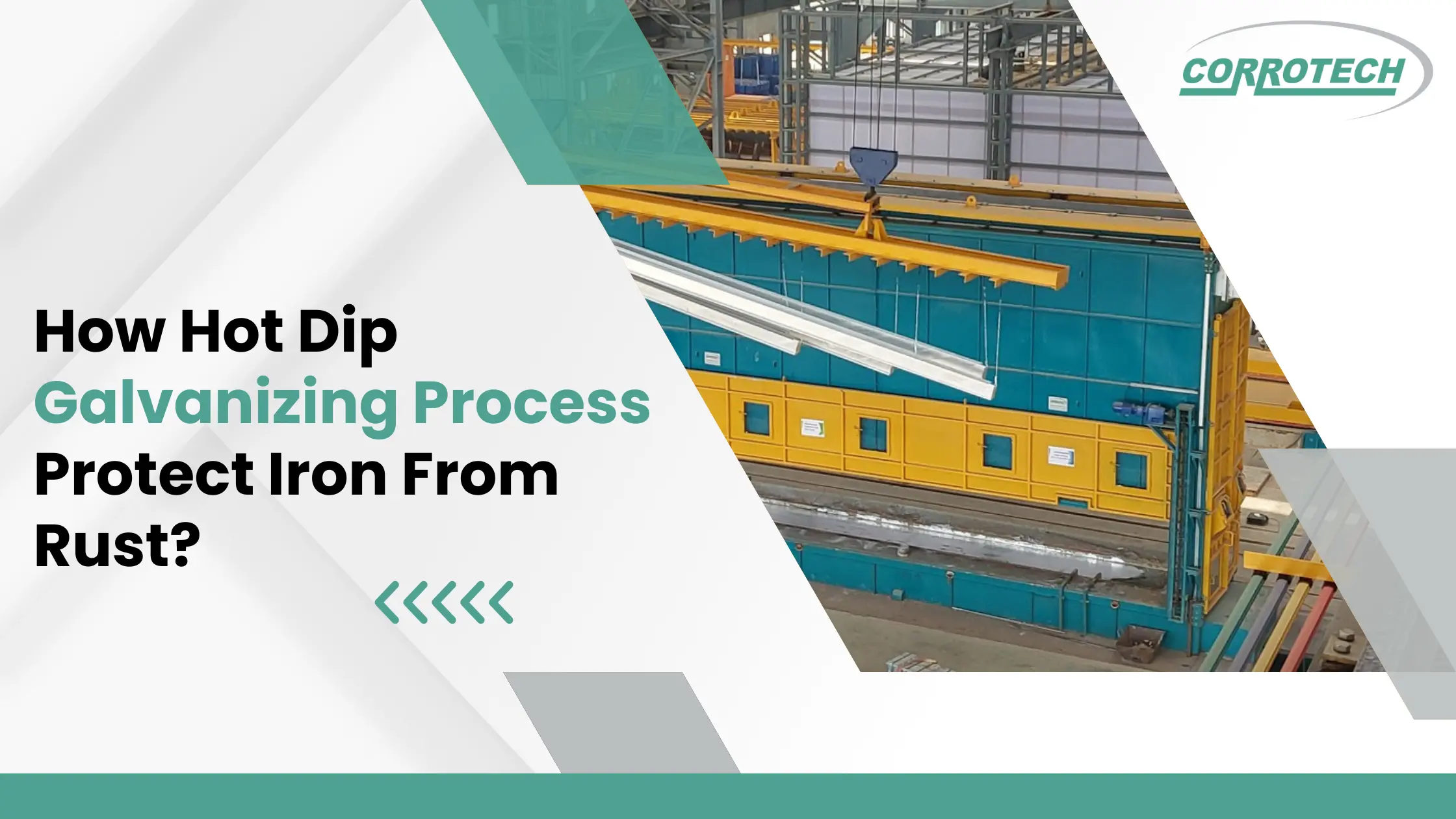
Over the years technology and innovation have helped a wide range of industries in furthering their evolution. Even the process of galvanization has also been benefitted from the emergence of technology. Corrosion technology is no more the same, it used to be in the past. Continued innovation is paving the way for new processes and methods of galvanization.
In this short and meticulous blog, we are going to focus on galvanization, its benefits and advantages, and a host of other significant issues.
Learning about the Galvanization
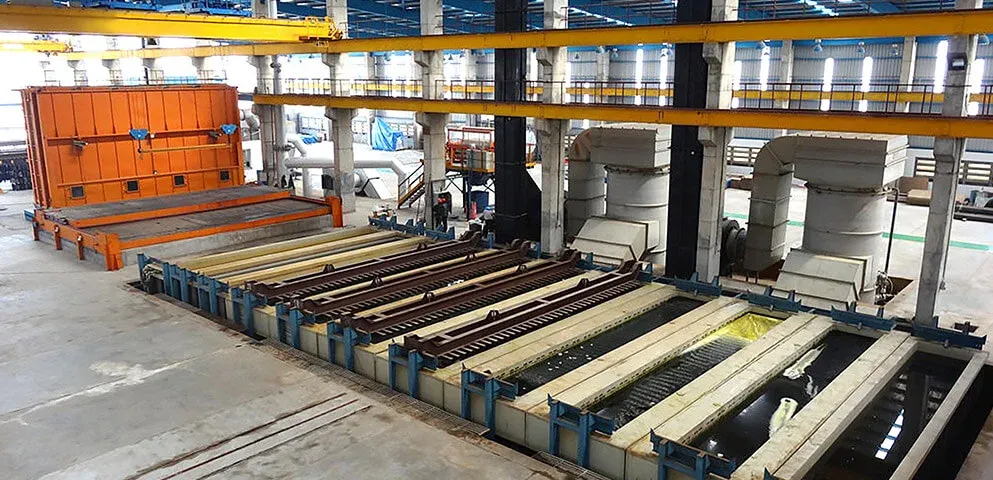 Dear Readers, at the outset, let’s understand the term galvanization in simple words before we take a deep dive into the all-important subject.
Rust is the biggest opponent of iron and other metals. Overexposure of metallic parts to inclement weather, scorching heat, saline water, etc. leads to corrosion. Corrosion impacts the life of the metal.
Galvanization is one most reliable methods to prevent iron and steel metal from corrosion. There are various types of methods available for protecting the metal from corrosion.
How does it Happen
Under the process of galvanization, a thin layer of zinc coating develops on the base metal, when it is dipped in the lava of molten zinc. The zinc layer develops on the metal during the process. It helps prevent metal, like iron and steel from corrosion through a protected shield. This layer of zinc though as thin as the thickness of a photocopy paper helps the metal withstand inclement weather.
The hot dip galvanizing process generates white fumes when steel is dipped in the molten zinc. The fumes that emanate are extremely hazardous due to the presence of chlorine and suspended ash particles. If inhaled, it may also be considered harmful for health. Also, they deteriorate the overhead cranes and the shed life. Hence, it becomes apparent to establish a system for fume abatement and discharge. This entire system is known as Zinc Fume Extraction System,
Hot dip galvanizing is one of the most sought-after methods for the galvanization process of metal across industries and geography.
Galvanizing Benefits
Galvanizing is all-around. It wouldn’t be an exaggeration if we say the process has become an integral part of our life. Life can’t be imagined without galvanization. In this section, we are going to talk about the core of this blog.
Industrial use
Owing to the amazing benefits of galvanization, it has found usage in a wide range of industries. Industries like automobile, Infrastructure development, wind energy, transport- shipping, railways, airplane, etc., and sports to name a few are using the innovation for their benefits. Numerous strictures across the globe are using galvanized steel for its amazing properties. These types of metal have the properties to counter and withstand inclement weather, resulting in optimized durability. Anti-corrosion properties of the zinc layer are the biggest instrument of the galvanization process.
Join Hands with Arvind Corrotech
Arvind Corrotech is an industry leader offering full-spectrum galvanization solutions. Our quality-driven product range includes Turnkey Hot Dip Galvanizing Plants, Pulse Fired High-Velocity Furnace, Process Tanks, Chemical Storage Tanks, and Pollution Control Equipment.
If you are on the lookout for anything related to galvanization, then end your search with Arvind Corrotech.
Let’s connect for a mutually beneficial collaboration.
ore making a deep dive into the important subject, its definition assumes significance here. Learning would be much simpler then. The blog is going to focus on the definition and benefits of the process that has been transforming our day-to-day lives. Many of us may not be aware. However, we all come across galvanized items almost every day.
Learning about the Term
Hence, what is this process all about? Why can’t we make an endeavor to tell our readers and those associated with the industry in layman’s language? Galvanizing is the process of applying a protective zinc coating or layer to steel or iron. The objective behind the process is to protect the iron metal from corrosion. The process makes the metal rust-proof!
Since the hot-dip galvanizing process offers numerous benefits, it has been used in numerous industrial applications. Its versatility makes it favourite among many industries using an iron-on large scale for a wide range of processes.
Why only Zinc?
Why do most of the galvanizing processes rely on zinc across the globe? This question assumes significance in the context of this significant article. There are obvious reasons behind choosing zinc over others. Here are a few features that make the zinc stand out from the rest:
- The corrosion of zinc is very slow
- Durable
- Provides cathodic protection
- Even corners and smaller areas get protected
Machinery and Tools for the Process
The process of galvanizing is carried out through tried and tested machinery and tools. Industry experts are of the opinion that machines play an important role during the process. For example, surface treatment tanks, acid room enclosure, chemical pump, dry unit, galvanizing furnace and kettle, heat exchanger, waste gas washing system, baghouse filter, helping equipment, loading, and offloading equipment, conveyor systems, transfer car, and a host of others.
The machines’ terminology may vary from company to company. However, more or less, these are the same.
The Benefits of using Galvanization
The various reasons support the exponential rise of the use of galvanization. These are:
Affordable and reliable
- Lower cost
- Minimum maintenance
- Prolongs the life of the coated metal
- Provides exceptional resistance to mechanical wear and tear of the metal made items
- Even minor areas get protected
- Saves precious time of painting the metal made space
- Saves money needed for replacing the corroded metallic items
Industries Using Galvanization
The hot-dip galvanizing process has found application in countless industries and sectors. These include:
- Wind and solar industries
- Automotive industry
- Construction industry
- Energy industry
- Telecommunication industry
From a Galvanizing Process Perspective, the Hot Dip Galvanizing Process is Predominantly a two-step Process:
First step: Preparation of the metal/ steel for the process
Second step: Immersing the metal in a bath of molten zinc
First step: Preparation of the metal/ steel for the process
The sophisticated scientific process begins by executing the preparation of steel/ iron to accommodate zinc coating. It takes place through pickling. The metal piece goes through washing in an alkaline solution. Through this process rust, grease, and similar impurities get removed.
Second step:
The second step comprises numerous processes and stages to form the zinc coating over the metal. Subsequently, the metal is immersed in a bath of molten zinc. Also, different parameters must match.
Our focus is to increase the knowledge of readers through the basic information about the process. Readers, we will share more information about the key subject in future blogs. Keep watching this space. In the future, we are going to write on many relevant topics for readers. Here is an example, why galvanize plants?
Where to Buy the Machine?
If you are looking for a hot dip galvanizing plant, don’t forget to explore Ahmedabad, Gujarat! The leading economic hub has a few companies. These companies have the expertise to offer complete Hot dip galvanizing process solutions!