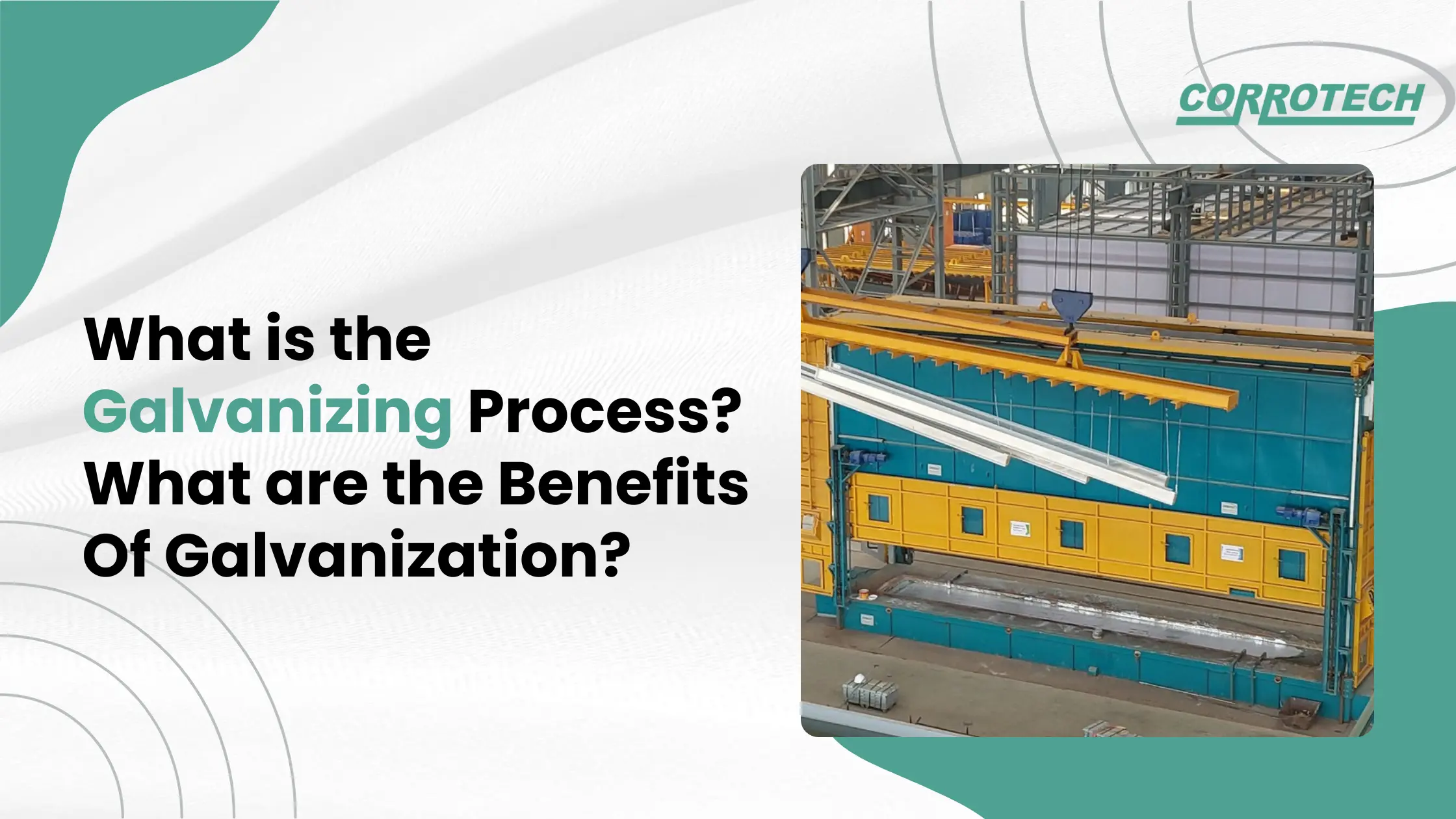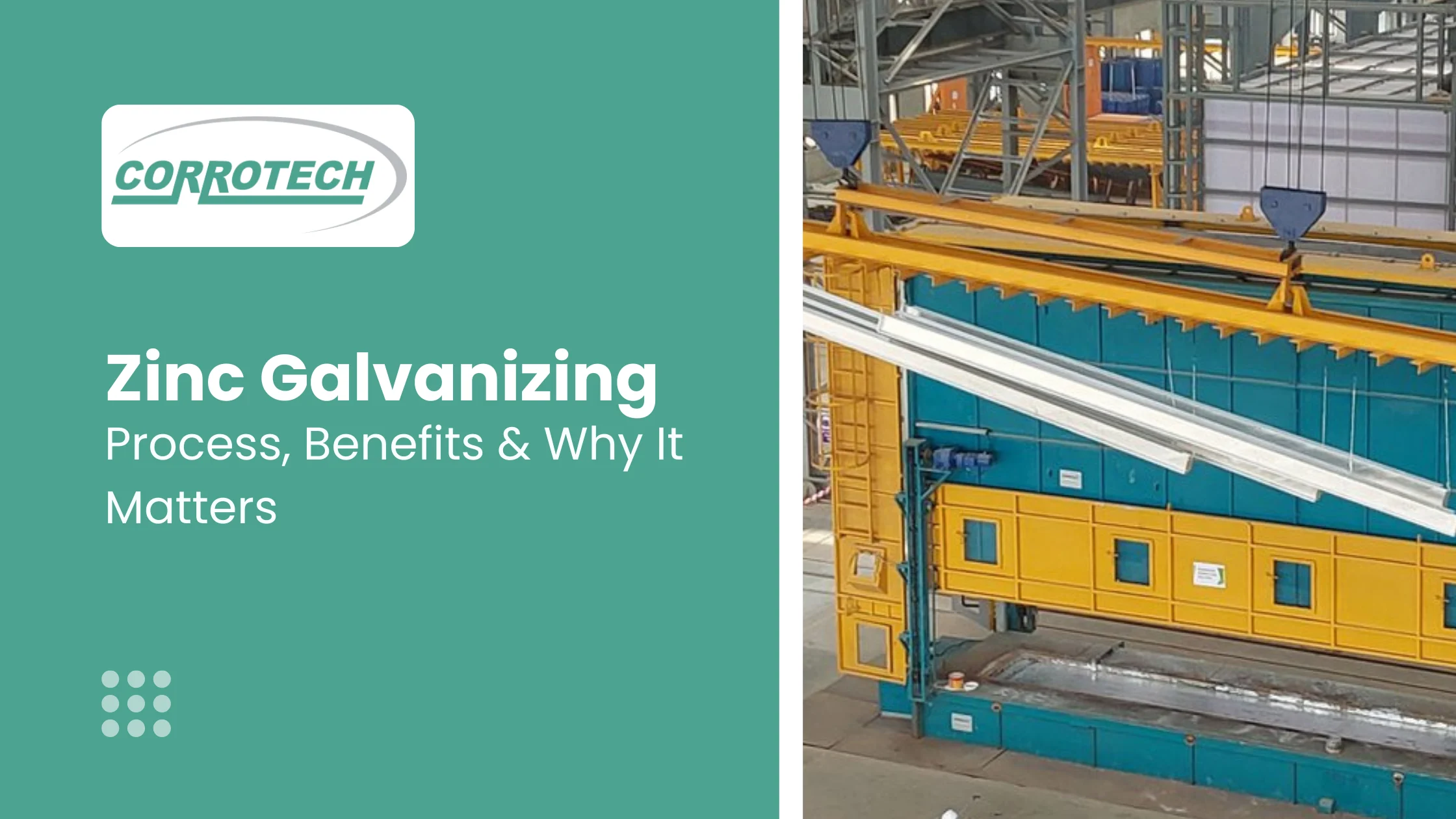
Tag: hot dip galvanizing plant
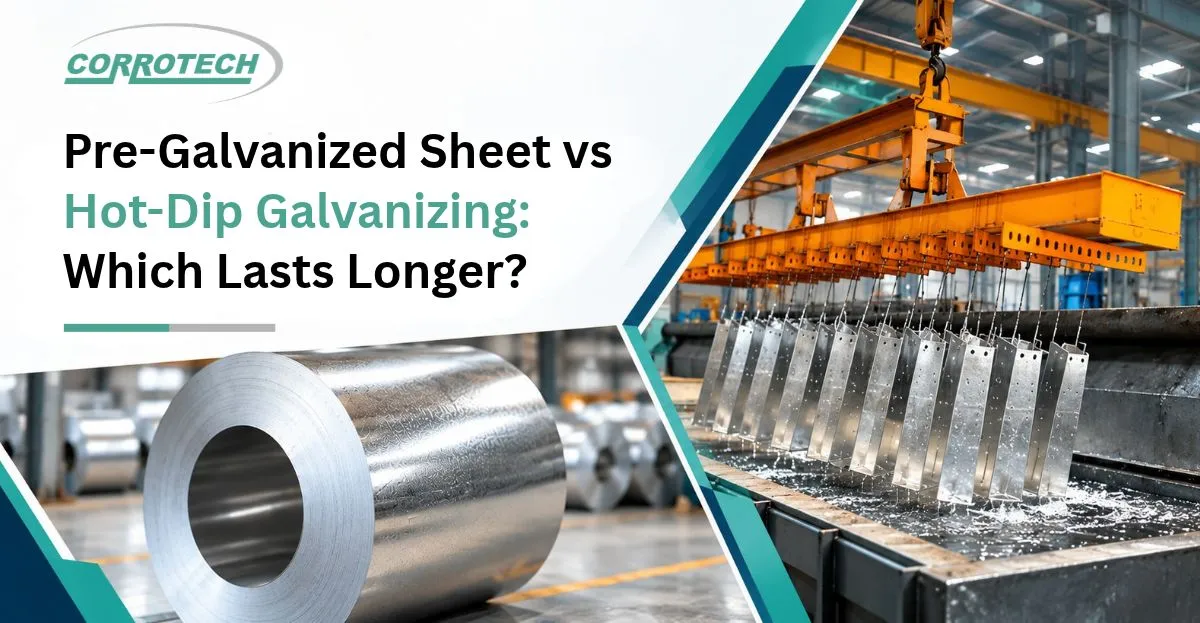
Steel is strong, affordable and versatile, but left unprotected it rusts. Zinc coating is the most trusted defence, and two methods dominate the market: pre-galvanized sheet and hot-dip galvanizing. Both use zinc, yet they perform very differently over time.
If you are specifying steel for a warehouse, transmission tower, plant structure or fabricated component, the choice affects maintenance costs for decades. This guide compares the two methods on coating thickness, service life, edge protection and cost, so you can pick the right one.
What Is Pre-Galvanized Sheet?
Pre-galvanized sheet, also called continuous-line galvanized or Sendzimir-galvanized steel, is coated at the steel mill. A coil of cold-rolled steel passes through a bath of molten zinc, then through air knives that wipe off excess metal. The coil is cooled, cut and shipped.
The process is fast and suits high volumes of flat sheet. Coating weight is usually specified in grams per square metre, commonly between 100 and 275 g/m² in total. That works out to roughly 7 to 20 microns of zinc per side.
Because the coating is applied before the sheet is cut, punched, bent or welded, fabrication exposes bare steel along every cut edge and weld.
What Is Hot-Dip Galvanizing?
Hot-dip galvanizing is applied after fabrication. Finished items such as beams, angles, pipes, fasteners, tanks and frames are cleaned, then fully immersed in molten zinc at around 450°C. The zinc reacts with the steel and forms a series of zinc-iron alloy layers, topped with a layer of pure zinc.
This metallurgical bond is the key difference. The coating is part of the surface rather than a film sitting on it. Every surface, including internal cavities, corners and edges, is coated in one operation.
Work of this kind is carried out in a dedicated hot dip galvanizing plant, where each stage is carefully controlled to produce a consistent, uniform coating.
Coating Thickness: The Biggest Factor in Service Life
Zinc protects steel by acting as a physical barrier and by corroding sacrificially. Because zinc corrodes at a slow, predictable rate, service life depends mainly on how much zinc is on the surface.
- Pre-galvanized sheet: about 7 to 20 microns per side
- Hot-dip galvanized steel: typically 45 to 85 microns or more, depending on steel thickness (as per standards such as ISO 1461)
Hot-dip coatings are commonly four to ten times thicker. In the same environment, a thicker coating takes far longer to be consumed, and that is why hot-dip galvanized steel outlasts thinner coatings.
Service Life: How Long Does Each Last?
Actual life depends on the environment. Zinc corrodes faster in coastal air, chemical atmospheres and areas with heavy industrial pollution than in dry, rural or indoor conditions.
Pre-galvanized sheet generally performs well indoors or in mild, dry conditions, Outdoors, and especially in humid, coastal or polluted air, the thin coating can wear through much sooner, often within a few years to a decade.
Hot-dip galvanized steel commonly delivers 50 years or more in rural and mild environments. In harsh industrial or marine conditions, it often still provides 20 to 25 years or more of maintenance-free protection.
These are indicative ranges. Coating weight, local climate and the quality of the galvanizing process all affect the result.
Edge and Weld Protection
This is where the two methods differ most in the field.
With pre-galvanized sheet, cutting, drilling and welding remove or damage the coating locally. Rust often begins at these exposed edges and spreads under the coating. Touch-up paint or zinc-rich repair coatings can help, but they are a patch rather than a metallurgical bond.
With hot-dip galvanizing, the whole fabricated item is coated, so edges, corners, weld seams and hollow sections are protected. Zinc also gives limited protection to small scratches and cut areas nearby by corroding sacrificially, which slows rust creep.
Toughness and Damage Resistance
Because the hot-dip coating is bonded to the steel through alloy layers, it resists abrasion, impact and rough handling well. This matters during transport, erection and installation, where structural steel takes a lot of knocks.
Pre-galvanized coatings are thin and ductile. They tolerate forming, but they are easier to scratch, and the coating can crack at tight bends or stressed areas.
Cost: Upfront vs Lifecycle
Pre-galvanized sheet is generally cheaper upfront and is easy to source. For indoor ducting, light enclosures, roofing in mild climates or short-life applications, it is often the right economic choice.
Hot-dip galvanizing costs more initially, but it usually wins on lifecycle cost. Once installed, it needs little or no maintenance for decades, with no repainting, recoating or early replacement. For structures that are hard to access, or where downtime is expensive, this saving is significant.
When comparing options, ask what the total cost will be over the expected life of the asset, not just the purchase price
Which Should You Choose?
| Factor | Pre-Galvanized Sheet | Hot-Dip Galvanizing |
| Coating thickness | About 7-20 microns per side | Typically 45-85+ microns |
| Coating applied | Before fabrication | After fabrication |
| Edge and weld protection | Limited | Complete |
| Typical outdoor life | Shorter | 50+ years in mild conditions |
| Upfront cost | Lower | Higher |
| Lifecycle cost | Higher in harsh environments | Lower |
| Best for | Indoor use, light sheet work | Structures, outdoor and industrial use |
Choose pre-galvanized sheet for indoor, low-exposure, light-gauge applications where the budget is tight and the service life is modest.
Choose hot-dip galvanizing for outdoor structures, industrial facilities, coastal locations, infrastructure and anywhere long life and low maintenance matter.
What Goes Into a Quality Hot-Dip Coating
A durable coating depends on the plant as much as the process. Quality results come from a well-designed line with reliable equipment.
The galvanizing furnace is at the centre of the plant. It holds the zinc bath at a stable temperature, and even heating keeps coating thickness and adhesion consistent from one batch to the next. Efficient, well-built furnaces also reduce fuel use and zinc losses.
Surface preparation is just as critical. Steel must be degreased, pickled in acid and fluxed before it enters the zinc. This stage relies on properly engineered Process Tanks & chemical storage tanks, built from acid-resistant materials so they handle pickling and flux solutions safely for years without leakage or contamination of the process.
If you plan to set up or upgrade a facility, working with an experienced galvanizing plant manufacturer helps ensure the furnace, tanks, handling systems and layout are designed around your production volume and product mix. The right partner will also advise on energy efficiency, safety and environmental compliance.
Final Verdict
So, which lasts longer? Hot-dip galvanizing, and by a wide margin. Its thicker, metallurgically bonded coating, complete coverage of edges and welds, and proven performance in tough environments give it a service life measured in decades.
Pre-galvanized sheet still has an important place. For light, sheltered or short-term uses it is economical and perfectly adequate. The mistake is using it where conditions demand more.
Match the coating to the environment, the expected life and the true lifecycle cost, and your steel will stay protected for years to come.
Frequently Asked Questions
- Does pre-galvanized sheet rust faster than hot-dip galvanized steel?
Yes, generally. Pre-galvanized sheet has a much thinner zinc coating, so it corrodes through faster, especially outdoors or in humid and coastal conditions. In dry, indoor settings the difference is much less noticeable. - Can pre-galvanized sheet be used outdoors?
It can, but it is better suited to sheltered or mild environments. For long-term outdoor exposure, especially in industrial or coastal areas, hot-dip galvanizing offers far better protection and a longer service life. - Why does cutting or welding pre-galvanized sheet reduce its corrosion resistance?
Because the coating is applied before fabrication, any cutting, drilling or welding exposes bare steel at that point. Hot-dip galvanizing is applied after fabrication, so edges, welds and corners are fully coated and protected. - Is hot-dip galvanizing worth the extra upfront cost?
In most outdoor, industrial or structural applications, yes. The higher initial cost is usually offset by decades of maintenance-free service, with no repainting or early replacement needed, which lowers the total lifecycle cost.s
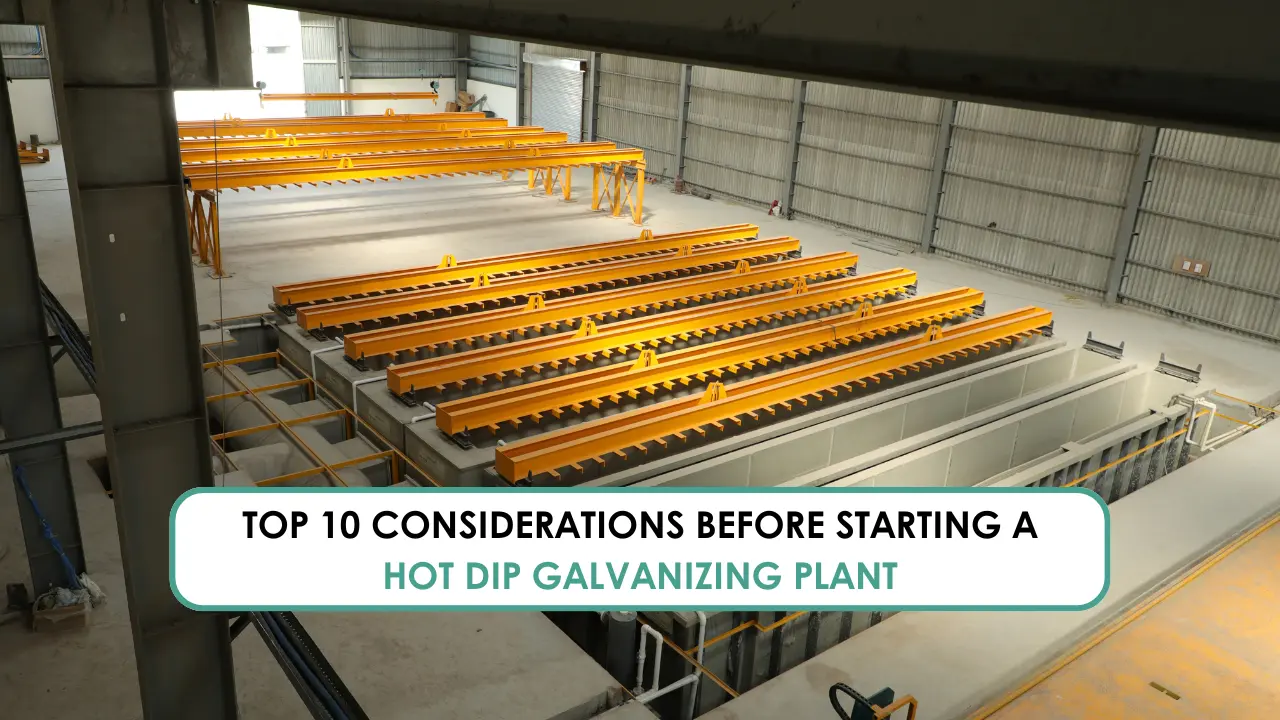
The manufacturing world is fastly moving and so its demand, hot dip galvanizing plays an important role in protecting steel structures from corrosion and extending their lifespan. Starting a galvanizing plant can be a highly profitable investment, but it requires careful and researched planning and expert guidance. Choosing a trusted Hot Dip Galvanizing Plant Manufacturer is the first step toward building a facility that delivers consistent quality and performance. We are experts in providing turnkey solutions for galvanizing plants, helping businesses across India and beyond achieve success.
Top 10 Key Considerations for Setting Up a Hot Dip Galvanizing Plant
1. Location and Space Requirements
Selecting the right location with adequate space is very important. Your plant should have enough room for material handling, production flow, and future expansion.
2. Production Capacity Planning
Determine your production goals based on high market demand. A trustworthy Hot Dip Galvanizing Plant Manufacturer in India can help design a plant customised to your different operational capacity requirements.
3. Environmental and Safety Guidelines
Galvanizing involves chemicals and high temperatures, so following environmental and safety regulations is non-negotiable.
4. High-Quality of Raw Materials
Ensure the use of high-quality zinc and chemicals to maintain consistent coating standards.
5. Power Saving
Main features their power saving system furnaces and heat recovery systems to reduce operational costs.
6. Experienced Technical Team
An expert technical team is essential for plant operation, maintenance, and troubleshooting.
7. Automation and Technology
Modern plants integrate automation for better productivity and safety. Partner with a Hot Dip Galvanizing Plant company in Ahmedabad that offers advanced technologies.
8. Waste Management Systems
Effective waste treatment systems help manage by-products and follow environmental norms.
9. Turnkey Solutions Provider
Working with a manufacturer that offers design, installation, and after-sales complete customer support ensures smooth plant setup and operation.
10. Cost Analysis and ROI
Carefully analyze setup costs, operational expenses, and expected ROI before making an investment.
Conclusion
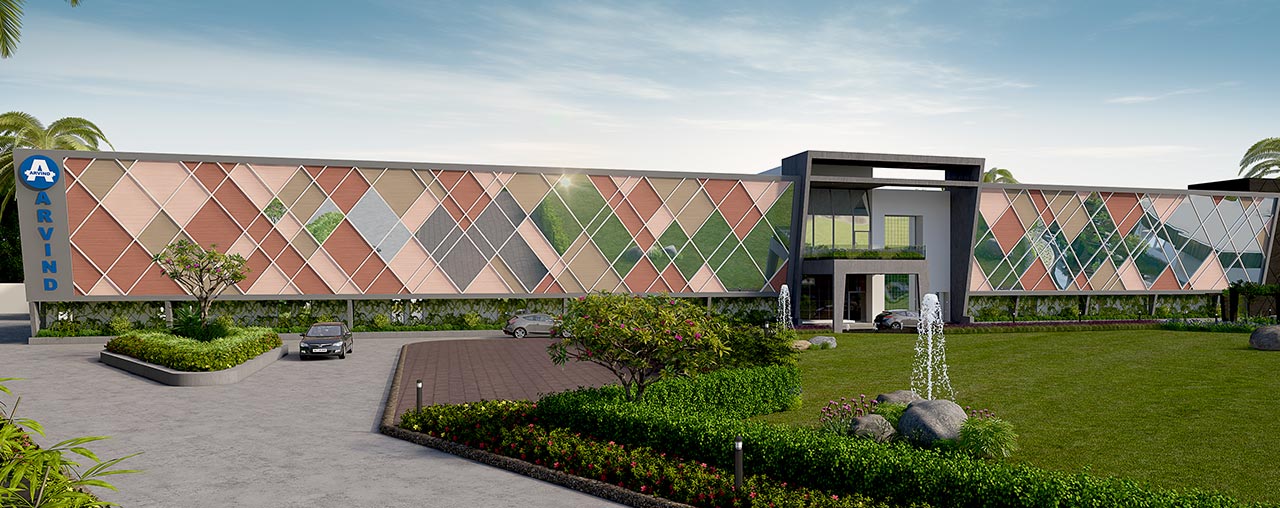
Operational setting up a galvanizing plant is a long-term investment that highly demands careful planning. By partnering with Arvind Corrotech Ltd., you gain a trusted Hot Dip Galvanizing Plant company in Ahmedabad that ensures your plant runs smoothly and meets global quality standards and give your operational requirements smooth access.
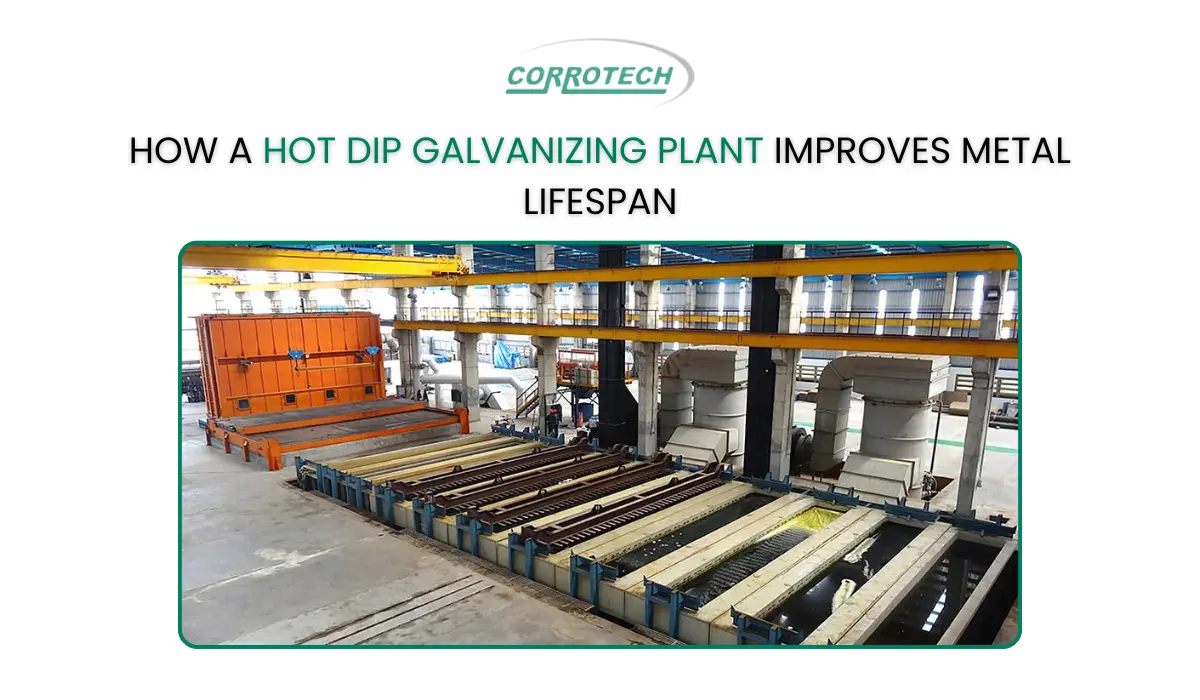
In harsh industrial and outdoor environments, rust is a major threat to the longer lifespan of steel structures and components. That’s where hot dip galvanizing comes in, an effective and economical method to protect metals from rust and environmental damage. By involving steel in molten zinc, this process creates a long-lasting shield that consistently increases the lifespan of the metal. As one of the leading Hot Dip Galvanizing Plant manufacturers, Arvind Corrotech Ltd. delivers automated, high-volume plants to ensure rust protection and best output. Explore our advanced Hot Dip Galvanizing Plant solutions designed to maximize capacity and longer lifespan.
What is Hot Dip Galvanizing?
Hot dip galvanizing is a metallurgical process where steel is cleaned, fluxed, and then dipped in a bath of molten zinc. This creates a zinc-iron alloy layer that acts as a physical and electrochemical barrier against rust and corrosion, ensuring long-term metal protection.
The Science Behind Rust-Free Metal
Hot dip galvanizing creates a metallurgical bond between zinc and steel, forming a rust-resistant layer that performs even in the harshest operational environments. This process consistently slows corrosion, making it a best and trustworthy solution for infrastructure, industrial machinery, and outdoor metal structures.
Key Benefits of a Hot Dip Galvanizing Plant
Setting up a Hot Dip Galvanizing Plant in India offers several major benefits:
- Corrosion Resistance: Protects steel structures for 30+ years, even in harsh conditions.
- Low Maintenance: Reduces the need for frequent repair or coating.
- Strong Adhesion: Zinc coating bonds metallurgically for long-lasting durability.
- Speed and Efficiency: Suitable for large-volume production.
Understanding Galvanizing Plant Components
A Hot Dip Galvanizing Plant is not just about dipping steel into molten zinc, it’s a well-designed system comprising several critical components that ensure performance, safety, and consistency. Understanding these parts helps industries make informed decisions.
- Pre-processing Tanks: For degreasing, acid pickling, and fluxing the steel before galvanizing.
- Drying Oven: Removes moisture to prevent zinc splattering during immersion.
- Zinc Kettle: The heart of the plant where the galvanizing takes place, maintained at ~450°C.
- Fume Extraction System: Keeps the working environment safe by removing acidic vapors and zinc fumes.
- Post-treatment Section: For quenching, passivation, and cooling the galvanized materials.
- Automation & Handling Equipment: Includes cranes, conveyors, and control systems to improve throughput and safety.
Applications Across Industries
Hot dip galvanizing is globally used in many industrial sectors like construction, automotive, power transmission, agriculture, and marine sectors. From transmission towers and guardrails to handrails and structural beams, the process ensures longer lifespan and safety across multiple applications.
Environmental and Economic Value
This method is eco-friendly and affordable. The zinc used in galvanizing is recyclable, and the extended lifespan of steel reduces the need for replacement, conserving both resources and energy.
Conclusion
In today’s industrial world, longer lifespan is everything. A strong Hot Dip Galvanizing Plant not only safeguards your metal investments but also optimizes cost-saving over time. As a trusted Hot Dip Galvanizing Plant manufacturer, Arvind Corrotech Ltd. Offers quality, high-performance solutions that extend the lifespan of metals across industries.
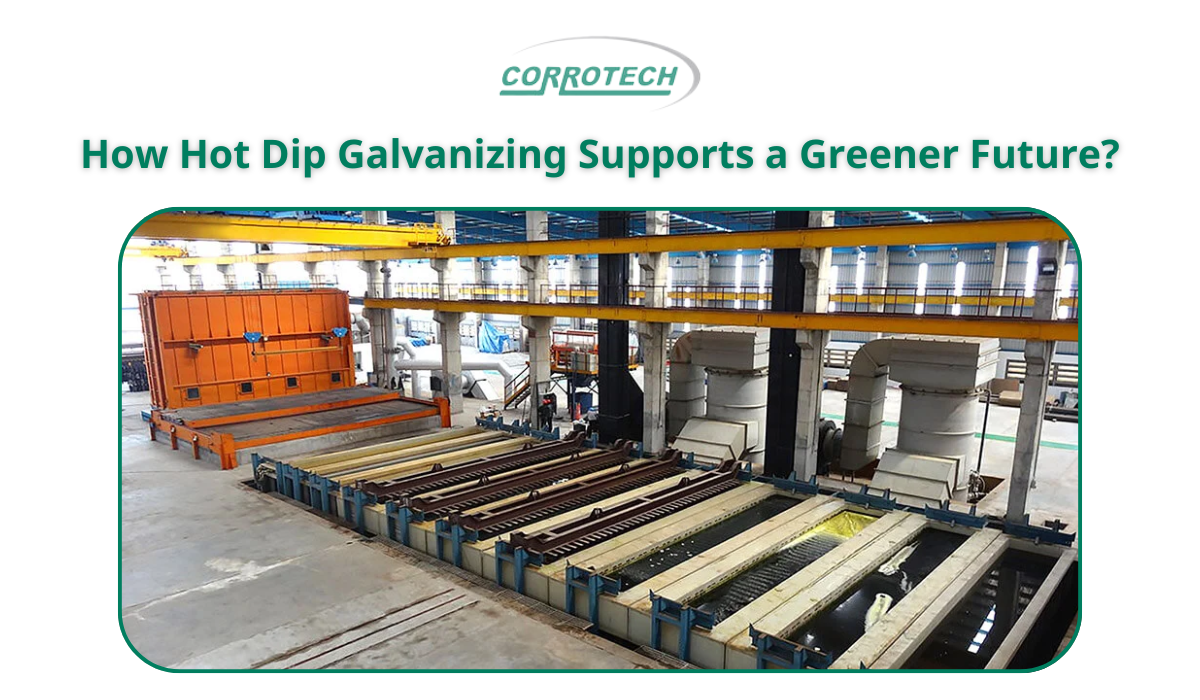
Nowadays, in industrial conditions, reducing environmental effects is more important and necessary for a better environmental future. One process that stands out for its eco-friendly environment is hot dip galvanizing. Regularly used to protect steel from rusting, hot dip galvanizing is not just effective and long-lasting—it also offers many environmental benefits.
- Long-lasting Performance of Steel Products
Hot dip galvanizing boosts performance and extends the life of steel by providing a long-lasting performance and a zinc finish that stands up to rust. This means fewer replacements and low maintenance over time. The longevity of the product reduces the need for additional raw materials and power used in manufacturing new steel, reducing overall the industry’s carbon footprint.
- Recyclable Materials
Zinc and steel are both materials that are fully recyclable, making hot dip galvanizing a perfect choice. At the end of a product’s life cycle, the galvanized steel can be melted down and reused without loss of quality. This helps to create a waste-free production cycle and low waste in landfills.
- Low Maintenance Requirements
Galvanized steel requires low-maintenance over time. This helps to reduce the use of paints, solvents, and chemicals that are regularly needed for repainting or rust control. Low maintenance cycles translate to cleaner operational output from transportation and lower pollutants released into the environment.
- Power-saving in the Galvanizing Process
Modern Hot Dip Galvanizing Plant setups use advanced technologies to ensure less power use and give high-performance output. Many plants now have systems in place for heat recovery, water recycling, and zinc reuse, all of which reduce environmental effects and wastage.
- Reduced material usage
Because the products are durable and require minimum maintenance, fewer raw materials over time are extracted and processed, which contributes to the conservation of natural resources such as iron ore and fossil fuels that tremendously go into steel production.
Conclusion
Hot dip galvanizing is not only a smooth method of steel protection, but it also plays a key role in promoting and saving environmental conditions. From its recyclable materials to its low maintenance needs and power-saving process, hot dip galvanizing supports eco-friendly industrial processes. If you’re looking for a reliable and eco-conscious Hot Dip Galvanizing Plant in Ahmedabad for your industrial needs, then a trusted name, Arvind corrotech, makes all the difference in building an environmentally eco-friendly future.
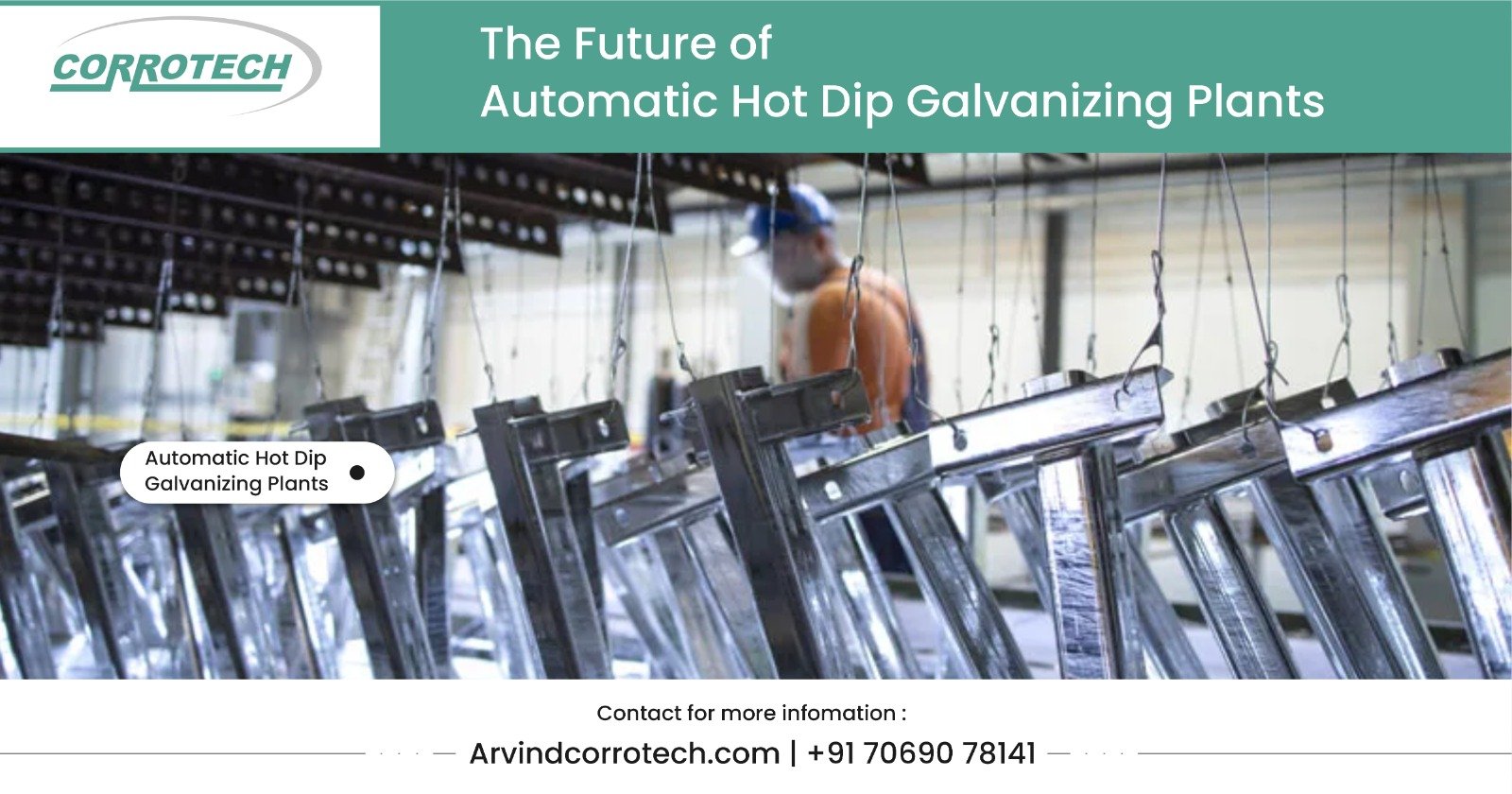
The galvanizing industry has experienced multiple transformations in the past few decades, with a notable shift towards automation. The need for efficient, reliable, and innovative galvanizing solutions has increased with the demand for long-lasting, corrosion-resistant materials.
In this blog, we will understand and explore the future of Automatic Hot Dip Galvanizing Plant and we will also understand the role of Galvanizing Plant manufacturers in driving these future advancements.
Introduction to Hot Dip Galvanizing Technology
The method of hot dip galvanizing provides a layer of zinc to steel or iron to prevent corrosion. To form an effective barrier against rust, the metal component is dipped into the molten zinc. For enhancing the durability of metal products, this automated approach is frequently used in an array of industries, like industrial, automotive, and construction.
The evolution of Galvanizing Technology
The technology used in the galvanization process has improved considerably over time. The evolution has taken place to lower costs, maximize productivity, and improve the caliber of the galvanizing process.The automatic galvanizing plants are the solution for all these problems. They serve many benefits than the traditional system.
Benefits of Hot Dip Galvanizing Plants
The use of Automatic Hot Dip Galvanizing Plants has provided number of benefits like:
- Enhanced efficiency
Automatic galvanized plants are designed in a way which will help to maximize efficiency by automating various stages of the galvanizing process.
- Improved Quality
The automatic process ensures consistent results like high-quality zinc clothings. The high-quality coatings provide durability and better corrosion resistance.
- Improved Quality
The automated process gives precise control over the quality to ensure high-quality coatings and to prevent corrosion for a long time.
- Cost savings
Even though the initial investment for installing the automatic plant is high, there are long term cost savings from this plant.
- Environmental benefits
The automated plants are modern and are designed in a way that they are environment-friendly. They have a control system which controls emissions which in turn reduces the environmental hazards.
The role of Arvind Corrotech in Advancing Galvanizing Technology
Arvind Corrotech, is a leading Galvanizing plant manufacturer providing high quality and efficient Turnkey hot dip galvanizing plants and automatic hot dip galvanizing plants. Our company has been at the forefront for bringing advancements in the galvanizing industry. Our plants are designed in a way that they can provide efficient and reliable results to every industry.
- Turnkey solutions
We offer complete turnkey solutions for setting your hot dip galvanizing plants. Our solutions will include everything from design and engineering to installation and commissioning.
- Customisation and flexibility
At Arvind Corrotech we give top priority to quality. We use high-quality materials and components during our galvanizing plant manufacturing to make sure that it performs efficiently for a long time.
- Innovation and Technology
We are committed to continuous innovation and adaptation of new technology. Our plants have control systems and automatic solutions which use modern technology. The innovations that we bring help in improving the quality of the galvanizing process.
The Future of Automatic Hot Dip Galvanizing Technology
The future of this technology looks promising, with several new trends and advancements.
- Advanced Automation and Robotics
As in today’s generation technology is continuously evolving, thus we can expect to have greater levels of automation and even the integration of robotics in this industry with time.
- Adaptation of IoT
The adaptation of IoT or industry 4.0 technology can help in bringing advancements in the galvanizing industry. This adaption will help in the decision making process.
- Sustainable practices
To provide environmental sustainability, the future of automatic hot dip galvanizing plants can have advanced control systems, energy-efficient technologies and also waste reduction strategies.
- Digital Twin Technology
This technology involves creating a duplicate or a replica of a same physical plant. This technology if incorporated in the future will allow real time monitoring leading to improved performance.
- Customisation and Flexibility
To provide great adaptability by various industries, the future galvanizing plants will be designed in a way to fit a wide range of products with different sizes and shapes.
Conclusion
The future of automatic galvanizing plants is very promising and bright. With a number of advancements happening in this field, there will be a huge transformation in this industry. We at Arvind Corrotech, are shaping the future of the galvanizing industry to ensure that every client who invests in the galvanizing plants achieve their goals with confidence.
For the industries who are looking to invest in galvanizing plants, now it is the right time to improve your production capacities and quality of your products, with cost savings and latest innovations with us.
Contact us today, to learn about the wide range of galvanizing solutions and stay ahead in your industry!
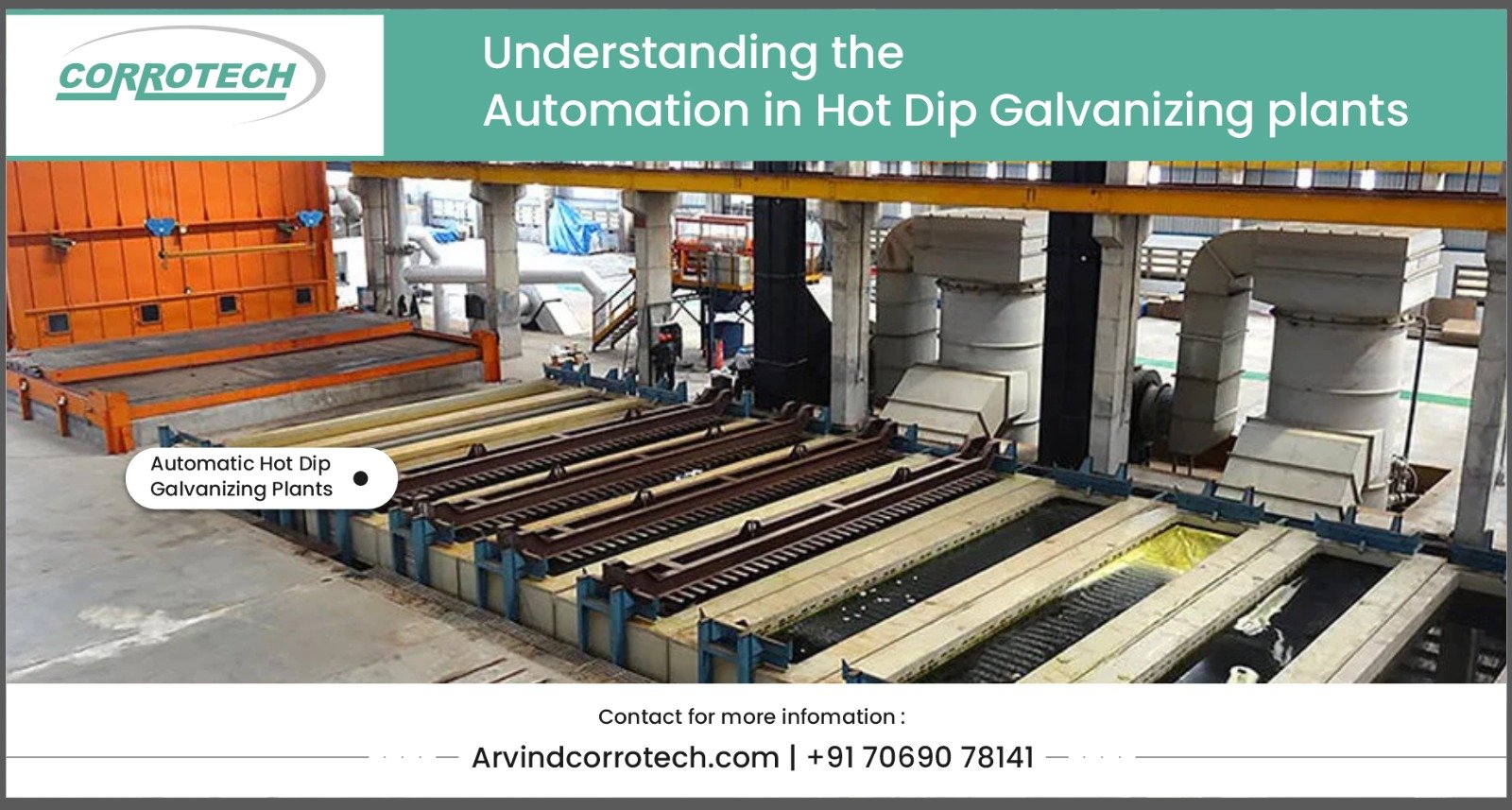
Businesses aiming at improving the efficacy and quality of their galvanizing procedures should think about investing in automatic hot dip galvanizing plants. The latest technology in automatic plants enables the automation of many galvanizing procedures, resulting in greater output and uniform outcomes.
Understanding the components of these plants is very important for making decisions regarding implementation and operation. In this blog, we will understand the essential components of Automatic galvanizing plants, and also the function and benefit of each component.
-
Pre-Treatment section
The first stage in the galvanizing process is the pre-treatment section. This stage is important for preparing metal or in simple terms steel products for coating. The things which are included in this section are:
- Degreasing Tanks
These tanks help in removing the excess oil, grease, and other oily substances which are present on the steel surface. A completely clean surface is very essential before the zinc coating.
- Pickling Tanks
These tanks are filled with acid solutions and help in removing rust, scale or any such oxide from the steel. The use of this tank provides a proper smooth and clean surface for galvanizing.
- Rinsing Tanks
After pickling the steel with acid, the steel is again rinsed in the tank to remove the leftover acid from the surface.
The benefits of the Pre-Treatment section are:
- Provides clean and smooth steel surfaces.
- Will help in giving the proper zinc coating.
- Will improve the quality of the final product.
- Fluxing section
In this section, the clean steel is dipped into a flux solution, which is simply, ammonium chloride. This step is important as it prevents oxidation. The different components of this section are:
- Flux tanks
These tanks have flux solutions, which help in promoting the bond of zinc and steel.
- Drying ovens
Steel parts after fluxing are dried properly in this oven to remove any sort of residual moisture and to ensure uniform zinc coating.
The benefits of the fluxing section are:
- It helps prevent oxidation.
- It helps in providing a strong bond between iron and zinc.
- It helps in improving the quality and durability of the galvanized coating.
- Galvanizing Kettle
This is the most important component of the galvanization process. It has molten zinc which has a temperature around 450°C.
The different components of this include:
- Kettle
The kettle which is used is made up of steel and has ceramic linings, it is used to hold molten zinc for the dipping process.
- Heating System
This system helps in ensuring that the zinc is at the appropriate temperature which is very important for effective galvanizing.
- Dipping mechanism
This mechanism is used for raising the steel parts into and out of the molten zinc, to provide even coating.
The benefits of Galvanizing Kettles are:
- It helps in providing uniform zinc coating.
- It increases corrosion resistance.
- It ensures the durability of the steel products.
- Cooling and Quenching section
After coating the steel parts with zinc, the parts need to be cooled and solidified. This section of the galvanizing process includes:
- Cooling tanks
In this tank, the galvanized steel is cooled using either water or air to solidify the zinc coating properly.
- Quenching tanks
This tank is mostly filled with passivation solution, to enhance the appearance and corrosion resistance property of the zinc coating.
The benefits of the Cooling and Quenching section include:
- The rapid cooling helps in solidifying the zinc coating.
- The passivation which is provided helps in improving corrosion resistance and appearance.
- This section provides durability to the galvanized products.
- Post-treatment section
This section involves additional processes, to improve the quality and finish of the galvanized products. The processes involved are:
- Inspection and finishing
The automated galvanizing plants, in this process, inspect the galvanized products to ensure that there are no defects or uneven coating. Finishing the product includes removing the excess zinc and also adding protective coatings.
The benefits of the Post-treatment section are:
- This section ensures that there is no defect in the product.
- It helps in improving the appearance and durability of the products.
- It prepares the product for safe transportation.
- Control systems
There are advanced control systems which are integrated into the automatic galvanizing plants, to ensure precision and efficiency.
- Programmable logic controllers
These controllers control the entire process from pre-treatment to post-treatment ensuring that each stage is operating correctly.
- Monitoring systems
These systems provide real-time data based on process parameters, which allows adjustments to maintain the optimal temperature.
- Safety systems
They help in protecting the workers and different instruments from any potential hazard.
Benefits of control systems
- It helps in improving the operational efficiency.
- It provides consistent quality and adherence to standards.
- Provides safety and reduces the risk of accidents.
Conclusion
Investing in a proper Automatic Galvanizing plant or a Turnkey hot dip galvanizing plant can provide many advantages like increased efficiency, consistent results, and enhanced safety. Understanding all the key components helps the businesses to make proper decisions about the implementation and operation.
We at Arvind Corrotech, are leading galvanizing plant manufacturers and provide all the solutions according to your needs. By using advanced technology and automation, hot dip galvanizing plants can improve your production capabilities and provide you with high-quality galvanized products.
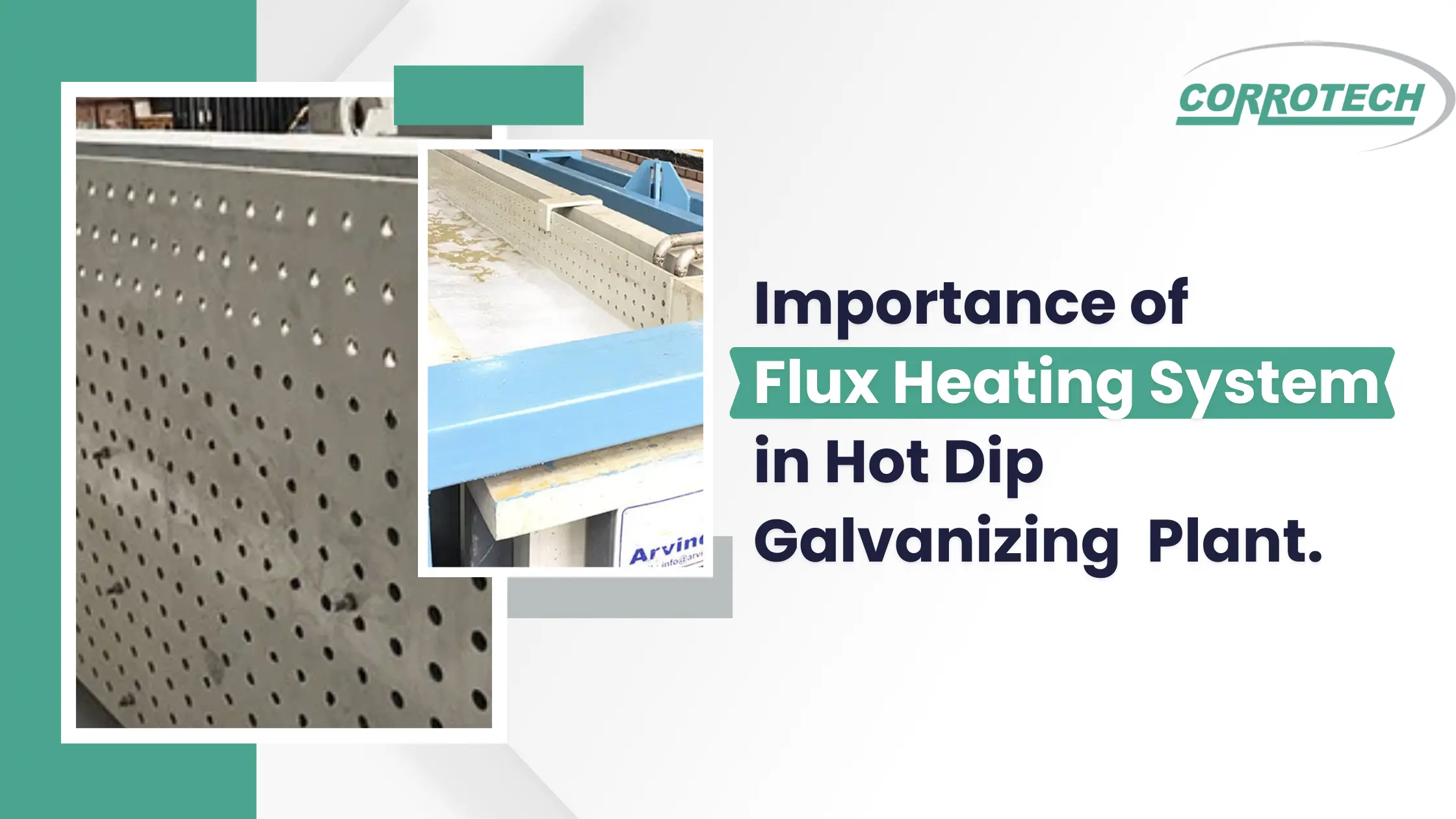
With the advent of modern technology, the process of galvanization has gone through a drastic change. Innovation and technology are enabling companies in the galvanization domain to streamline the process and make them in line with changing market dynamics. Numerous tools and machinery have emerged over the years benefiting the further advancement of Hot Dip Galvanizing plant and process and technology.
You would be surprised to learn about the impact and marks left by galvanization. It’s a blessing in disguise for plenty of industries. Over the years, sweeping changes have taken place. Companies manufacturing steel structures, like cars, crash barriers, power transmission towers, mobile signal towers, wind machines, heavy flyover railings, etc. have been drawing greater benefits from innovative technology.
Flux Heating System is an integral part of galvanization! Before getting into its intricacies, it’s pertinent for you to understand galvanization. Those who are directly or indirectly linked with galvanization and corrosion technology are familiar with the term. Yet, for many, it’s a new term. For the reader’s benefit, here’s a brief definition of galvanization:

What’s Galvanization? Learning Galvanization
This is an intriguing subject! So, how to protect metallic structures from corrosion? A zinc coating applied through a sophisticated process lends durability to iron-made structures. These structures can withstand harsh weather conditions as the anti-corrosive characteristics of zinc resist the damaging elements present in the environment, including moisture, water, salt, etc. The Hot Dip Galvanizing in Ahmedabad is admired across the globe for its quality.

Understanding Hot Dip Galvanization
An exclusive hot-dip galvanization plant is being capitalized by companies to seamlessly accomplish the galvanization process. The sophisticated plant comprises a wide range of technology-driven machines and tools being utilized during the process. Every machine and tool has a distinct function. If you are looking for a hot-dip galvanization, this piece of significant information will be of great support for people like you.
- Pulse fired furnaces with high-speed integration
- Re-circulating hot air dryer
- Waste heat recovery system
- Polypropylene tank for degreasing, pickling, rinsing, and fluxing
- Flux regeneration and filtration plant and flux heating system
- Fume extraction systems for acid and zinc, fume enclosures
- Quench and passivation tanks
- Work jigs, drosser, kettle cover, skimmer, and ash buckets, etc
- Jigging and unjigging stations
- Surface treatment tanks and storage tanks
There are a host of other significant machines and tools integral to the sophisticated plant. The process involves immersion of a metallic road, iron, or steel in the molten lava of zinc. Subsequently, a metallurgical reaction takes place. As a result, external layers of both the metals develop bonds, a homogenous and highly resistant surface. This surface is a protective shield!
What’s Flux Heating System?
If you are on the search for a galvanization plant, don’t forget to seek critical information about the flux heating system. It’s an integral part of the pivotal system. Why should buyers and companies emphasize this sophisticated machine? Even a minute compromise could prove out to be disastrous. Hence quality matters!
The flux heating system is designed to uniformly heat the flux across the tank. Technology and specifications may vary from company to company. Many companies fabricate systems with inbuilt competency to control the temperature automatically that enables efficient fluxing.
According to industry experts, maintain the temperature of the flux solution in the range of 60 to 80 degrees Celsius. Is there any particular reason behind that? Yes. The flux solution in this temperature range causes fewer zinc splashes and less ash formation.
Understanding Flux Filtration System
This system again plays a major role in conducting a flawless galvanization process. Its intelligent usage lowers zinc consumption. Balanced chemical composition in the flux tank is of paramount importance as flux gets polluted with the iron ions that get mixed in the flux while processing the material in the flux tank.
The chemical bonding of iron with a flux solution causes the generation of excess ash and dross. Therefore, it’s significant to control the iron content and pH in the flux to prevent the formation of ash and dross. These measures enable to maintain the efficiency of the galvanizing process and at the same time prevent the expensive zinc from being wasted.
Understanding Flux Recovery System
This is again an integral system related to the galvanization process. An industrial enables the removal of unused flux, left out during the process. This flux is collected and recovered to be used for future processes. Endeavours should be to control the wastage of expensive flux material.