

Tag: Chemical storage tanks

Proper installation of Chemical Storage Tanks is necessary to ensure safety, quality, and long-term performance. Whether used in chemical processing, wastewater treatment, or industrial manufacturing, these tanks must be installed with accuracy to reduce leaks, contamination, or structural failures. At Arvind Corrotech, we engineer premium PP-FRP chemical storage tanks built for exceptional durability and superior chemical resistance, ensuring long-term performance in demanding environments.
Here’s a complete guide to best practices for installing these tanks.
- Site Selection and Preparation
Choosing the right location is the first main step. The installation site must be flat, level, and capable of supporting the tank’s full load, including the weight of the chemical stored. Avoid areas prone to flooding or where ground movement is neutral. Prepare the perfect space with reinforced concrete or suitable support structures to maintain the tank’s high-pressure and environmentally harsh operational conditions.
- Proper Handling and Transport
PP-FRP tanks offer excellent strength, but proper care is essential during transport and unloading. To safeguard the tank’s surface, use suitable lifting gear—preferably cranes with soft nylon slings to ensure damage-free handling. Never ever roll the tanks on the ground or drag them, as it can compromise the structural integrity and quality.
- Tank Support
Once a tank is properly positioned, the tank must be tied up properly to reduce shifting or tipping, especially in seismic zones or high-volume industrial areas. Support structures should match the tank’s design and load capacity. Improper support can cause stress points, leading to cracks or deformation over time. Chemical storage tanks manufacturers emphasize the importance of proper installation and support to ensure long-term durability and safety.
- Piping and Fittings Installation
All inlet, outlet, vent, and overflow connections must be aligned accurately with the tank nozzles. Use flexible connectors to reduce stress caused by thermal expansion or vibration. Ensure all gaskets, seals, and fittings are compatible with the stored chemical to avoid rust or leakage.
- Safety Considerations
Chemical tanks must be adequately vented to release pressure build-up caused by chemical reactions or temperature changes. Install pressure relief valves and emergency vents where necessary. Also, include spill containment systems around the tank area as a secondary safety measure.
- Inspection and Testing
Before commissioning the tank, perform thorough inspections and hydrostatic testing to check for leaks or structural defects. Document all installation steps and testing results for future maintenance reference.
Conclusion
Installing chemical storage tanks is not just about placing them in the right place, it’s all about ensuring safety, quality, and performance from day one. At Arvind Corrotech, we offer expert guidance and high-quality tanks customized for harsh condition environments. Get in touch with us to learn more about our PP-FRP chemical storage solutions.
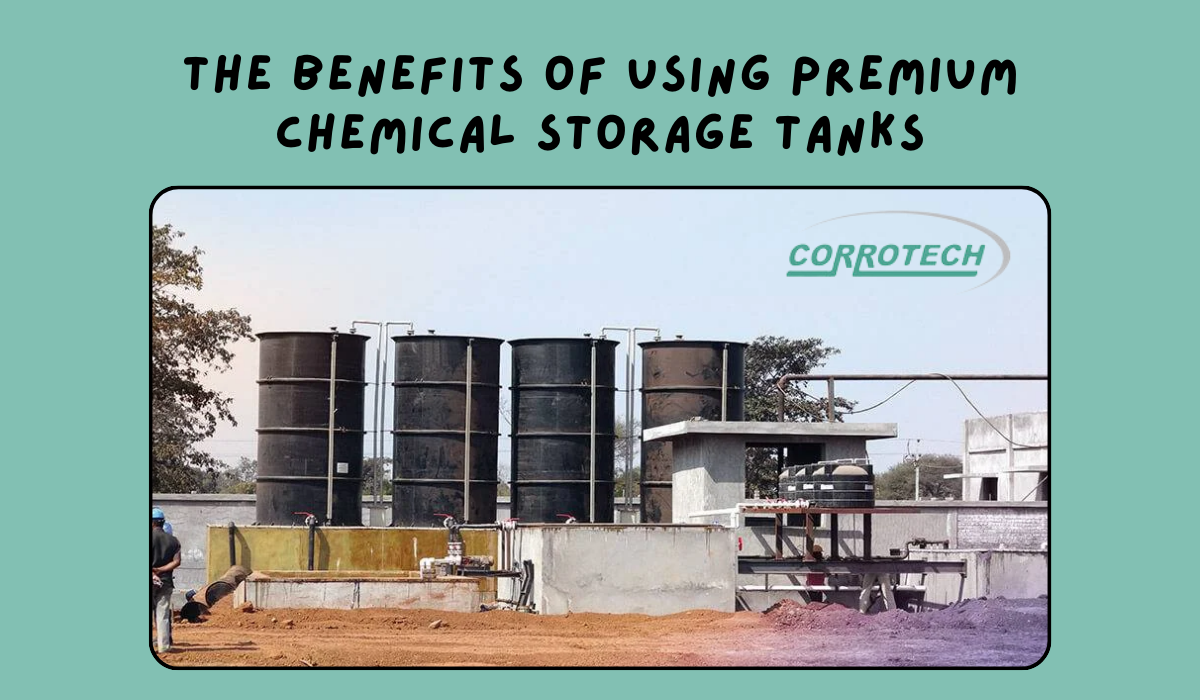
When it comes to storing chemicals for industrial use, the quality and material of the industrial chemical storage tank becomes important. Businesses manufacture premium Chemical Storage Tanks to meet the highest standards of durability, safety, and performance. It is important to look for the right storage tank as it is not just about storing the chemicals, but it is also about keeping costs low and ensuring the protection of property, environment, and people. So, let’s explore some amazing benefits of using premium quality chemical storage tanks.
- Enhanced Safety
Safety is the first priority when it comes to handling chemicals in both small and large-scale industries. Advanced safety features are installed in premium chemical storage tanks to minimize or eliminate the risk of spills, leaks, and contamination. Premium chemical storage tank manufacturers designed the tank from high-quality materials that are resistant to UV rays, corrosion, and other chemical reactions. In addition, these tanks ensure that businesses are not only safeguarding their operations but also staying active with industry regulations and standards.
- Chemical Resistant
As per chemical storage tank manufacturers, different types of storage solutions require different tanks based on its corrosiveness and reactivity. In this situation, the industry needs a premium chemical storage tank as it is designed to handle a wide range of chemicals, ranging from acids to solvents. For better understanding, look for a HDPE tank which is known for storing different chemicals because of its ability to resist many corrosive substances. Chemical resistance property prevents dangerous reactions and costly damages.
- Efficiency and Functionality
Premium chemical storage tanks come with a range of features that enhances functionality and efficiency in everyday operations. There are multiple chemical storage tank manufacturers that design user-friendly access points for monitoring, easy filling, and maintenance. Features like ventilation, built-in gauges, and level sensors make the monitoring process easier and control chemical level which prevents overflow and ensures consistent supply of chemicals.
By investing in the premium chemical storage tanks, businesses can enhance the operational efficiency of the business while ensuring the security and safety of the chemical storage processes. Moreover, to get numerous advantages in your industry, use premium chemical storage tanks, especially if your business is dealing with hazardous chemicals. If you are looking for a premium quality chemical storage tank to invest in, contact Arvind Corrotech right away. Be smart and choose the right for protecting both the workforce and the environment.

Chemical tanks are an investigation that is being used in a range of industries now-a-days, ranging from pharmaceuticals, cosmetics, to steel. Moreover, the chemical is a very harsh liquid and it needs to be kept with full care and protection. This protection does not only come with handling the chemicals properly but it also comes by taking good care and regular inspection of the chemical storage tanks. In this blog, let’s discover some important key points that will help you in inspecting your chemical storage tank with excellence.
- Record Keeping
When it comes to the inspection of chemical storage tanks in India, it becomes crucial to keep a proper report of all the repairs, inspections, and compliance. This becomes an important part of proper inspection as this keeps a record of when you need to go for another check-up.
- Cleaning & Maintenance
When it comes to proper inspection, regular cleaning and maintenance is important in chemical storage tanks as this will eliminate technical problems in the future. Moreover, it becomes important to check all the internal and external connections to ensure smooth operations.
- Regular Testing
Unlike other tanks, chemical storage tanks need regular testing as it stores harsh chemicals which can affect the environment and work-force, if left loose. Regular testing helps in discovering issues which might be unknown. This helps in taking immediate action to defaults, as this helps in minimizing risk that can take place by operating a damaged or unsafe chemical tank.
- Regulation and Standards
Another inspection tip is to check regulations and standards related to the chemical storage tanks. It is important to keep yourself in loop when it comes to the chemical storage tank’s standards. This inspection will not only help you in operating your business according to the highest safety standards but it will also eliminate the risk of financial penalties and legal punishments.
- Visual Inspection
Apart from everything else, you need to go for regular visual inspection as it can help you manage multiple things. Through visual inspection, you can check if there is any sign of corrosion, leakage, or any kind of damage. This will help you in running your operations smoothly without any danger.
Inspection plays a crucial role in maintaining and keeping the chemical storage tanks safe. The above-mentioned tips will help you reduce risks and will make your operations smooth. If you are looking for some expert chemical storage tank manufacturers in India, invest in Arvind Corrotech.
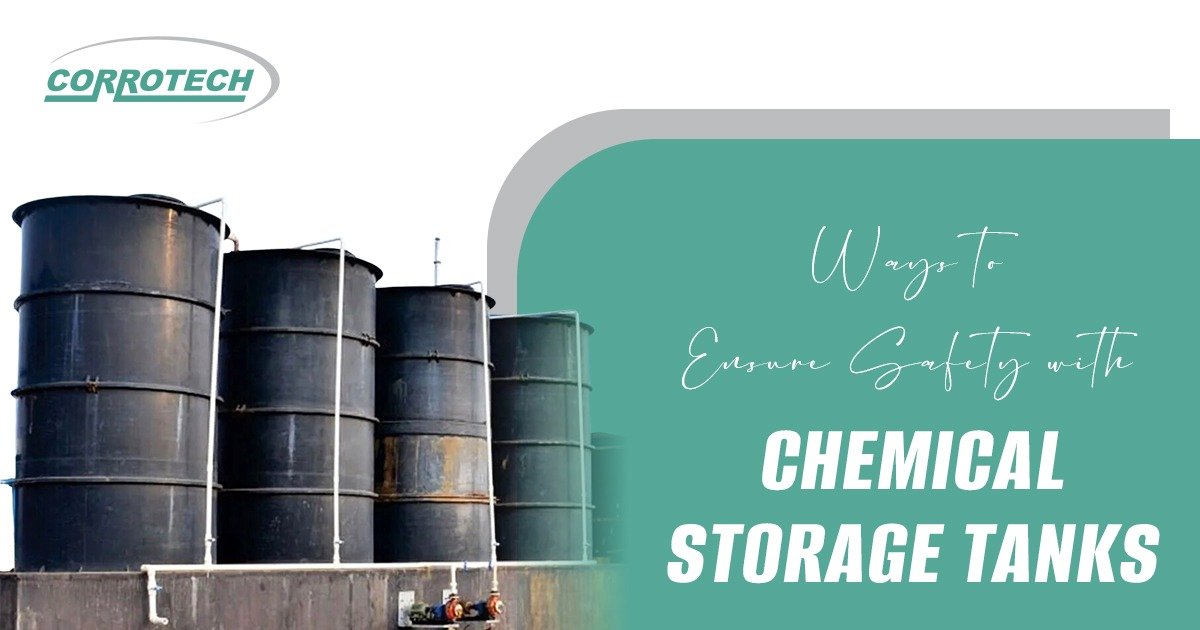
Safe and efficient management of chemicals is crucial when it comes to the modern industrial landscape. Doesn’t matter whether it is a big industry or small, or whether you are running an industry related to food & beverage, pharmaceuticals, manufacturing, or agriculture, chemical storage tanks play an important role in every operation. So, in this blog we will discuss why chemical storage tanks are beneficial for any industry.
-
Safety First
One of the major benefits of keeping a chemical storage tank is it has the ability to reduce the risk of leaks and spills, which can be dangerous. Modern chemical storage tanks are designed keeping all the safety features in mind such as leak detection system, double-walled construction, and pressure relief valves. Chemical tanks have features that help contain harsh materials along with minimum environmental contamination which not only protects the employees but also the surrounding community. In addition to this, proper storage of chemicals helps in complying local and national safety guidelines, which makes sure that your facility meets the required standards. Therefore, it is important to stay committed to safety as it fosters a sense of responsibility and enhances the company’s reputation.
-
Flexibility in Storage Solutions
Chemical storage tanks are definitely an excellent invention as it makes chemical storage a flexible thing. This is because chemical storage tanks come in multiple sizes and configurations which allows the industries to select the right solution as per their preference. You can go for small tanks for temporary projects to larger ones for long-term storage. There are limitless options in chemical storage tanks as these tanks can be customized to accommodate different types of chemicals. This also helps industries in adapting storage solutions as per their needs because flexibility is crucial in this fast-paced business environment.
-
Better Control of Chemical Properties
There are certain chemicals in the market that need specific storage space and proper maintenance. In this situation, you can opt for chemical tanks as these are designed to provide controlled environments by protecting sensitive materials which include contamination, fluctuation, and moisture. Optimal storage conditions ensure businesses that their chemicals perform as intended which will enhance the quality control and reduce the likelihood of product failures. Understanding that your business has better control of chemical properties is crucial in businesses like food production and pharmaceuticals, where quality is the king.
-
Improved Inventory Management
To make your inventory management better, go for chemical storage tanks as it provides a centralized location for chemical products. This centralization approach makes other tasks easier like track usage, stock levels, and re-ordering schedules. Allow your business to gain real-time insights through advanced monitoring systems as it ensures that they always have the right amount of chemical on hand, without running out or overstocking. This efficiency eases the streamlined operations and allows your team to focus more on strategic tasks rather than managing chaotic inventory levels.
-
Enhanced Operational Efficiency
Businesses run for longer because of their operational efficiencies and the ability to produce within deadlines. This efficiency can be enhanced by the use of chemical storage tanks as it contributes greatly to the storage solution and handling of the chemicals. With chemical storage tanks, employees can access the materials quickly which they need without the delays associated with smaller containers or storage locations. In addition to this, there are multiple tanks that are associated with automated systems which steamline the transfer of chemicals. Go with a high-tech chemical storage tank as it not just reduces the extra work of manual labor, but it also minimizes the time spent on processing and managing the material.
For businesses, chemical storage thanks are an invaluable asset as it handles hazardous chemicals easily. From reducing costs to improving inventory management to enhancing safety, chemical storage tanks ensure compliance with environmental regulations along with holding multiple benefits. Remember to invest in the right chemical storage solutions as this will not only protect your business or the workplace, but it will also support sustainable practices and operations. The business industry is growing, and in the coming future, the use and importance of chemical storage tanks and management will only grow. So make your operations successful and grow in the market, invest in Arvind Corrotech‘s chemical storage tanks, and make a calculated investment now.
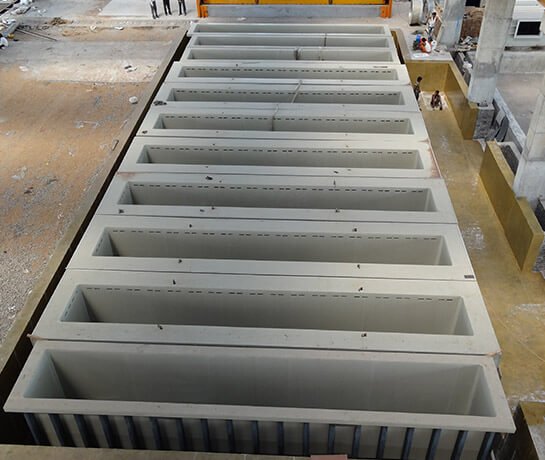
Safe and efficient management of chemicals is crucial when it comes to the modern industrial landscape. Doesn’t matter whether it is a big industry or small, or whether you are running an industry related to food & beverage, pharmaceuticals, manufacturing, or agriculture, chemical storage tanks play an important role in every operation. So, in this blog we will discuss why chemical storage tanks are beneficial for any industry.
Safety First
One of the major benefits of keeping a chemical storage tank is it has the ability to reduce the risk of leaks and spills, which can be dangerous. Modern chemical storage tanks are designed keeping all the safety features in mind such as leak detection system, double-walled construction, and pressure relief valves. Chemical tanks have features that help contain harsh materials along with minimum environmental contamination which not only protects the employees but also the surrounding community. In addition to this, proper storage of chemicals helps in complying local and national safety guidelines, which makes sure that your facility meets the required standards. Therefore, it is important to stay committed to safety as it fosters a sense of responsibility and enhances the company’s reputation.
Flexibility in Storage Solutions
Chemical storage tanks are definitely an excellent invention as it makes chemical storage a flexible thing. This is because chemical storage tanks come in multiple sizes and configurations which allows the industries to select the right solution as per their preference. You can go for small tanks for temporary projects to larger ones for long-term storage. There are limitless options in chemical storage tanks as these tanks can be customized to accommodate different types of chemicals. This also helps industries in adapting storage solutions as per their needs because flexibility is crucial in this fast-paced business environment.
Better Control of Chemical Properties
There are certain chemicals in the market that need specific storage space and proper maintenance. In this situation, you can opt for chemical tanks as these are designed to provide controlled environments by protecting sensitive materials which include contamination, fluctuation, and moisture. Optimal storage conditions ensure businesses that their chemicals perform as intended which will enhance the quality control and reduce the likelihood of product failures. Understanding that your business has better control of chemical properties is crucial in businesses like food production and pharmaceuticals, where quality is the king.
Improved Inventory Management
To make your inventory management better, go for chemical storage tanks as it provides a centralized location for chemical products. This centralization approach makes other tasks easier like track usage, stock levels, and re-ordering schedules. Allow your business to gain real-time insights through advanced monitoring systems as it ensures that they always have the right amount of chemical on hand, without running out or overstocking. This efficiency eases the streamlined operations and allows your team to focus more on strategic tasks rather than managing chaotic inventory levels.
Enhanced Operational Efficiency
Businesses run for longer because of their operational efficiencies and the ability to produce within deadlines. This efficiency can be enhanced by the use of chemical storage tanks as it contributes greatly to the storage solution and handling of the chemicals. With chemical storage tanks, employees can access the materials quickly which they need without the delays associated with smaller containers or storage locations. In addition to this, there are multiple tanks that are associated with automated systems which steamline the transfer of chemicals. Go with a high-tech chemical storage tank as it not just reduces the extra work of manual labor, but it also minimizes the time spent on processing and managing the material.
For businesses, chemical storage thanks are an invaluable asset as it handles hazardous chemicals easily. From reducing costs to improving inventory management to enhancing safety, chemical storage tanks ensure compliance with environmental regulations along with holding multiple benefits. Remember to invest in the right chemical storage solutions as this will not only protect your business or the workplace, but it will also support sustainable practices and operations. The business industry is growing, and in the coming future, the use and importance of chemical storage tanks and management will only grow. So make your operations successful and grow in the market, invest in Arvind Corrotech‘s chemical storage tanks, and make a calculated investment now.
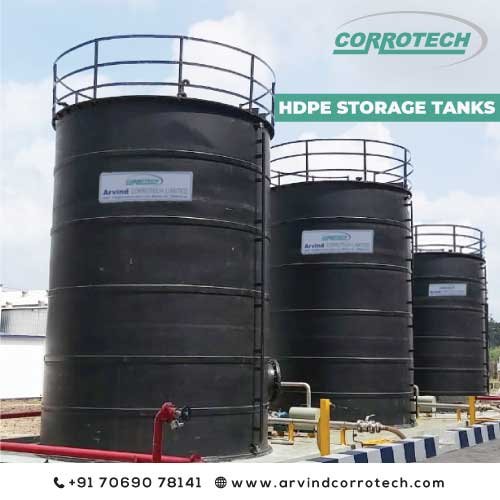
Over the years, industrial HDPE Chemical Storage Tanks have assumed significance considering their benefits for a variety of industries. Industrial chemical storage tanks are specially designed to store industrial chemicals, acids, solvents, etc. Choosing a suitable tank is always a challenge for industry owners and decision-makers.
You would be surprised to learn that many companies realize after buying the product that the tank they have just bought doesn’t meet their industrial requirements.
How to choose the best quality tank for your industry? This blog will serve as a guide in this regard. Whether you’ve been buying the HDPE tank or any other industrial tank for years, or shopping the tank as a beginner, this guide is definitely for you.
A brief guide to choosing the premium quality HDPE chemical storage tank
Consider the chemical to be stored
To begin with, the first step you can take to choose the best HDPE tank is to consider the chemical to be stored. At the same time, carefully consider the properties of the chemicals to be stored inside the tank.

Types of chemical storage tank material
When you are sure about the chemical to be stored and its unique physical and chemical properties, you can then move towards the best tank material suitable to meet your industrial requirements.
Industrial tanks are made up of a variety of materials, including HDPE, PVC, Steel, FRP, PVDF, Plastic, etc. Before choosing the material, have a long discussion with a few leading industrial tank manufacturers in Ahmedabad, India.
Size
This is again an important step to be considered when choosing the tank. Here size means the capacity of the tank. What type of chemicals do you want to store for your industry? Consider the capacity of the tank.
If you are planning to buy an HDPE tank to store industrial chemicals for your company, discuss the capacity with the premium quality HDPE chemical storage tank manufacturers and suppliers.
Durability
The next step, you can consider when choosing an industrial tank, like an HDPE tank is – the durability of the tank. Every material has definite durability. How much that industrial tank will last matters for your business. Short life means you have to invest in storage tanks every now and then.
When you buy long-lasting industrial tanks, you are ensuring the quality as well as durability of the tank. Higher durability also means you don’t have to invest time and again in storage tanks.
Why quality matters
Harsh chemicals gradually wick into the walls of the chemical storage tanks over time. The chemical spreads into the structural area of the tank. The structure begins to break down and eventually the tank collapses.
If quality isn’t up to the mark, it will impact the overall life of the storage tank. Therefore, it makes sense to buy the premium-quality chemical storage tanks
Conclusion
This guide on choosing the premium quality HDPE chemical storage tank will definitely benefit you, helping you to get the best product for your manufacturing unit. Important aspects like tank design, shape, size, capacity, etc. should never be undermined when choosing an HDPE tank.
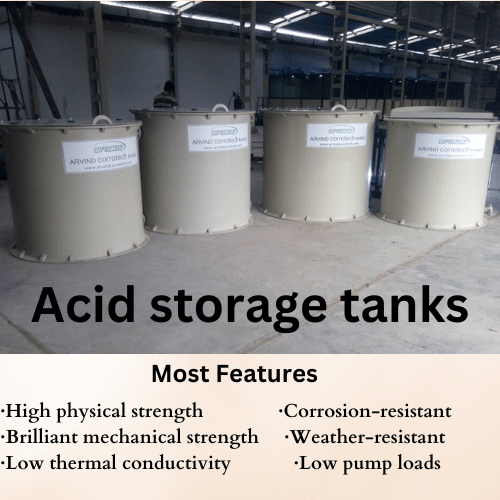
This blog is informative, particularly for those who work in industrial units that use acid storage tanks and chemical storage tanks for various purposes. In this blog, we are going to highlight acid storage tanks, their benefits, and their advantages for different types of industries.
Learning about industrial acid tanks
Large and bulky-sized tanks that are designed and manufactured to store and process different types of chemicals for industrial applications are called industrial storage tanks.
Let’s now shift our focus to the unique features of industrial chemical storage tanks. How will you identify the quality of the industrial tanks? In the ensuing sections, you will learn about the salient features of quality-driven storage tanks.

Salient features of quality-driven acid storage tanks
Here are the salient features of quality-driven industrial tanks:
- It is adaptable to a wide range of temperature
- High physical strength
- Brilliant mechanical strength
- Low thermal conductivity
- Excellent insulating material
- Corrosion-resistant
- Weather-resistant
- Low pump loads
- Easy to handle
- No maintenance
- Durable & having a long service life
- Economical & cost-effective
Before considering these features, you should buy industrial tanks for your manufacturing unit.
Material of acid Storage tank
Others manufacture industrial tanks using premium-quality polypropylene sheets, HDPE, and FRP. Every material has its unique features and benefits.
Which material is suitable?
You can connect with a leading chemical storage tank manufacturer to learn more about the storage tanks. The material of the tank varies from chemical to chemical.
Benefits and advantages of acid storage tanks
Industrial requirements necessitate the design of bulk–sized tanks for bulk storage of chemicals and acids; these tanks are cost–effective in the long run, as bulk buying chemicals is cheaper compared to retail, while also reducing the number and cost of deliveries. Furthermore, chemical storage is used in a variety of operations when necessary, making industrial acid storage tanks ideal for storing, processing, and safely transporting chemicals.
Industries using acid storage tanks
Numerous industries are drawing benefits from chemical storage tanks, PP storage tanks, HDPE storage tanks, etc. These include Pharmaceuticals, Chemicals, Petroleum, Steel, Textile, Plastic, and a host of others. For more information, you can connect with a leading chemical storage tank manufacturer in Ahmedabad, India.
Process tank
The engineer designs industrial tanks to blend, separate, cool, and purify a wide range of processes and sub-processes. While placing your order, you can discuss the need and requirements of your industry with the chemical storage tank manufacturer.
Conclusion
Acid storage tanks are integral to a wide range of manufacturing industries. Quality makes the difference in this era of tough competition. Many industrial tank manufacturers have flooded the market. Only buy the product from an established chemical storage tank manufacturer.
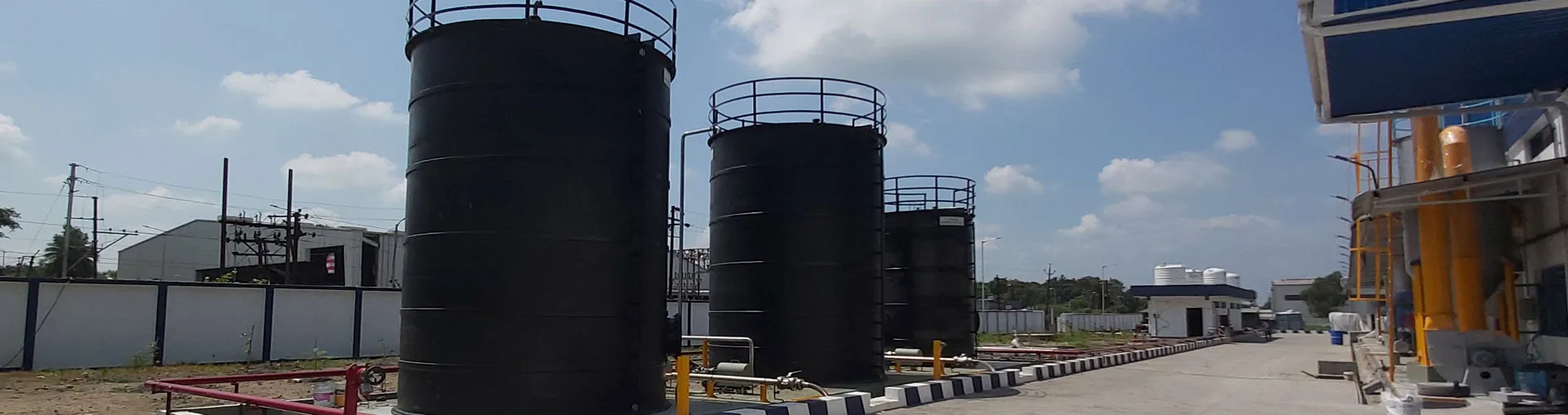
This isn’t a conventional subject for our readers, yet, it has great significance for everyone. Directly or indirectly, chemical tanks are touching our lives. For those who are working or associated with the textile, chemical, petrochemical, food and beverage, and pharmaceutical industries, this is going to be an interesting subject. This will further expand their knowledge base about the subject. For students and research scholars, this is going to present a wide range of facts and figures enabling them to prepare their reports and assignments.
What is a chemical tank?

Before heading towards the intricacies of the subject, it’s important to learn the term in simple language. A chemical tank is a sophisticated storage container to store a wide array of chemicals that are in use in numerous industries, including pulp and paper. The sophisticated tanks are available in numerous sizes and standard shapes. Depending on chemical and fluid, chemical tank manufacturers across India fabricate these sophisticated tanks.
Why are we using the word sophisticated though it’s only a tank? The tank looks ordinary in design, a cylindrical structure, but this kind of tank is for special chemicals. These chemicals are hazardous in nature, may lead to disaster and environmental consequences, if not stored with adequate measures. While purchasing the tank for your manufacturing process, don’t forget to ask for features from the chemical tank manufacturer.
Purpose of chemical tanks
What is the purpose of a chemical tank? Is it only for storing? Calling the tank a storage tank delimits its benefits and industrial applications. It has numerous uses, including:
- Storage of industrial chemicals and fluids
- Chemical process
- Mixing of chemicals for a wide array of processes
- Transportation of finished products
- Transportation of raw material
A picture is crystal clear now. A chemical tank is a versatile container with numerous uses as mentioned above.
Types
Tanks are of different types. These are identified with the type of chemicals they hold.
- Acid tanks
- Holding tanks
- Feed tanks
- Blend and mix tanks
- Pressure vessels
- Buffer tanks
- Pump tanks
- Reactors
- Receiver tanks
- Filtrate tanks
- Stripper/Scrubber Columns
- Surge tanks
- Weighing vessels
- Jacketed tanks
- Solution tanks
- Solvent tanks
- Storage tanks
- Circulation tanks
Over the years, demand for chemical storage tanks has increased substantially. Storing chemicals is a challenging task. An ideal industrial chemical storage tank offers a financial and business advantage, as a businessman and a professional heading a company that’s what you require and expect from a chemical tank and chemical tank manufacturer.
Material and chemical
A chemical tank is designed to store a few selected chemicals only. Every tank has its specification and features. Since hazardous, industrial chemicals should be stored according to the standard instruction. You can take guidance from a chemical tank manufacturer.
- Hydrochloric acid
- Sodium hypochlorite
- Sodium hydroxide
- Ferric chloride
- Soda ash sodium carbonate
- Industrial wastewater
- Sulfuric acid
- Urea exhaust
- Petrochemical exhaust
Chemical storage tank manufacturers across India, including Ahmedabad, are constantly working towards using the latest technology and innovation to enhance the quality of the tank.
The current market scenario and impact of the corona pandemic
According to industry experts, the industry is heading towards a positive growth trajectory with increasing opportunities in the petrochemical, food, and beverages, and pulp and paper industries. The corona-induced pandemic havoc is affecting the growth of the market. The global chemical storage tank market will recover from the havoc in the current FY 2021 and it is poised for substantial growth, it is expected to reach an estimated $5.3 billion by 2025.
Buy from an expert only
As mentioned in the blog earlier, quality matters. Buy product from a leading chemical tank manufacturer only with a proven track record.
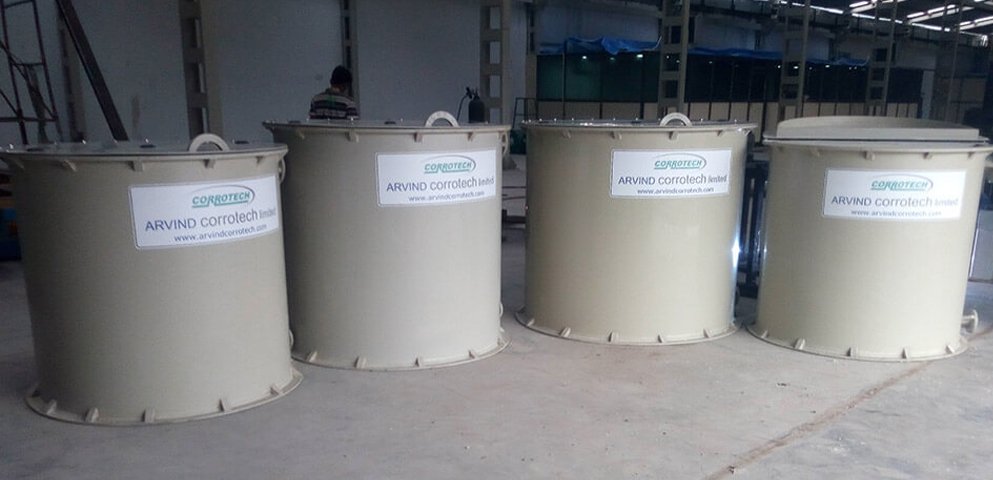
Plants that handle acids, alkalis or treatment chemicals rely on two kinds of industrial chemical tanks: those that hold chemicals until they are needed, and those where the chemistry happens.
A chemical storage tank contains a chemical at rest. A chemical process tank holds an active bath that products are dipped into, so it must also withstand immersion, heat, agitation and fumes.
Both may use the same plastics, but a tank specified for one job is rarely right for the other. Understanding chemical process tanks vs chemical storage tanks helps you avoid leaks, downtime and compliance gaps.
This guide is by Arvind Corrotech, an Ahmedabad-based manufacturer of galvanizing plants, process tanks and chemical storage tanks.
What Are Chemical Storage Tanks?
Definition and Purpose
Chemical storage tanks hold raw chemicals, intermediates or waste liquids until they are used, transferred or treated. Their job is containment: keeping an aggressive liquid in and weather and contamination out. The liquid is mostly at rest, so the main loads are the weight of the contents and, outdoors, sun and weather.
Common Materials Used
Material choice depends on the chemical, its concentration and temperature, and where the tank stands:
- Polypropylene (PP): Arvind’s polypropylene tanks use homopolymer and copolymer PP, joined by butt-fusion welding.
- High-density polyethylene (HDPE): light, non-corrosive and suited to many acids and alkalis.
- PP+FRP: a thermoplastic lining with an FRP outer skin, which Arvind uses for high temperatures and strong acids.
- FRP: for specific industrial requirements.
For acid storage tanks, Arvind recommends special polypropylene sheet inside a shed, and HDPE or UV-resistant polypropylene outdoors.
Applications and Industries Served
Chemical storage tanks commonly hold hydrochloric acid, sulphuric acid, sodium hydroxide, sodium hypochlorite, ferric chloride and wastewater awaiting treatment. Typical users include steel and galvanizing plants, chemical units, textile, leather, paper and plastics processors, and effluent treatment plants. Like other industrial storage tanks, their shape follows the site. Vertical, horizontal and square storage tanks suit different floor space, and a conical bottom lets sludge-forming chemicals drain completely.
What Are Chemical Process Tanks?
Definition and Purpose
Chemical process tanks, also called chemical processing tanks, hold a working bath in which a product is treated. Steel, wire, pipes or components are lowered in, held for a set time and lifted out.
Key Features and Specifications
Process tanks are engineered for movement, heat and fumes:
- Open-top construction, sized to the largest workpiece and the crane or hoist that loads it.
- Structural reinforcement: Arvind’s pretreatment tanks use a steel-reinforced solid polypropylene shell on support frames of FRP-coated rectangular hollow sections.
- Welding to recognised codes: Arvind states these tanks are designed to DVS 2205 and constructed to BS EN 12573, with butt-fusion welded walls.
- Heating and temperature control, for example in flux tanks.
- Fume capture, such as suction ducts along the sides and ends of Arvind’s pickling tanks.
Applications in Chemical Processing
Process tanksare the core of surface-treatment lines:
- hot dip galvanizing pretreatment;
- wire, pipe and tube pickling;
- electroplating and anodizing;
- powder-coating pretreatment;
- quench and passivation after galvanizing.
Arvind builds quench and passivation tanks, which receive hot work from the zinc kettle, in epoxy-coated mild steel.
Key Differences Between Chemical Process Tanks and Chemical Storage Tanks
| Aspect | Chemical storage tanks | Chemical process tanks |
|---|---|---|
| Main job | Contain chemicals safely over time | Treat products in an active bath |
| Typical shape | Closed vertical, horizontal or square tank with vents | Open-top rectangular tank sized to the workpiece |
| Loads | Mainly the static weight of the contents, plus weather outdoors | Contents plus immersion, crane impacts, agitation and heat |
| Temperature | Usually ambient | Often heated or temperature-controlled |
| Fumes | Vented through a controlled outlet | Extracted at the bath |
The line can blur: Arvind’s closed-top vertical tanks serve both storage and process duty. Classify a tank by what happens inside it.
Design and Construction Considerations
A storage tank is designed around the liquid, its density and its location. A process tank must also survive daily mechanical stress: heavy loads go in and out, and the walls flex as baths heat and cool. It therefore usually needs external reinforcement and carefully specified welds.
Functionality and Operational Differences
Storage tanks are filled, checked and drawn off on a schedule. Process tanks are in continuous use: chemical strength drifts, sludge builds up, temperature must stay in range, and operators work at them every shift.
Maintenance and Safety Considerations
- Storage tanks: inspect for cracks, discolouration and leaks. Keep vents clear and level gauges working, and protect outdoor tanks from UV.
- Process tanks: monitor bath chemistry and remove sludge. Inspect welds and corners where loads strike, and keep fume extraction working.
- Both: spill containment around the tank is good practice.
Our guide to inspecting chemical storage tanks goes further.
Choosing the Right Tank for Your Needs
Factors to Consider
- Capacity: size storage around your consumption between deliveries, plus a safety margin. Arvind builds acid storage tanks from 1 KL to 100 KL (company figure). Size process tanks to the largest workpiece and the line’s throughput.
- Materials: match the tank material to each chemical’s concentration and temperature, and confirm compatibility with the manufacturer.
- Regulatory compliance: in India, the Manufacture, Storage and Import of Hazardous Chemical Rules, 1989 require clear labelling of hazardous chemical containers and safety data sheets, plus safety reports and an on-site emergency plan above threshold quantities.
How to Assess Your Specific Requirements
Before requesting quotes, list each chemical with its concentration and temperature, your daily consumption or line throughput, the floor space and whether the tank sits indoors or outdoors, the loading method, fume and effluent arrangements, and the standards the tank must meet.
With those inputs, a chemical tank manufacturer can recommend the right material, shape and reinforcement. For more storage options, see our guide to different types of chemical storage tanks.
Why Choose Arvind Corrotech as Your Chemical Tank Manufacturer?
Overview of Expertise and Offerings
Arvind Corrotech builds both families of tanks, so they can be specified together:
| Range | What it covers |
|---|---|
| Chemical storage tanks | Acid, ETP, PP, HDPE and PP+FRP tanks in vertical, horizontal and square formats |
| Process tanks | Pretreatment, pickling, electroplating, phosphating, anodizing and ETP process tanks, plus accessories |
| Related systems | Effluent treatment plants and acid fume extraction |
Commitment to Quality and Customer Satisfaction
According to its About Us page, Arvind Corrotech:
- is backed by founders with more than 25 years of experience;
- operates a 10,000 square metre facility in Ahmedabad;
- holds ISO 9001:2015 certification for the design, manufacturing and supply of hot dip galvanizing plants.
Its clientele page lists more than 100 customers, including KEC International, L&T and Welspun Group. For buyers looking for a chemical storage tank manufacturer in India that also understands process lines, that combination matters.
Conclusion
Among industrial chemical tanks, storage tanks keep chemicals contained, while process tanks are working equipment built for immersion, heat, agitation and fumes. Choose by function first, then by chemical, capacity and site.
Planning new industrial storage tanks or a treatment line? Contact Arvind Corrotech with your chemicals, volumes and layout for a tailored recommendation and quotation.
Frequently Asked Questions
What is the difference between a chemical storage tank and a chemical process tank?
A chemical storage tank contains chemicals safely until they are used, with the liquid mostly at rest. Chemical process tanks, also called chemical processing tanks, hold an active bath in which products are treated, so they also need reinforcement, heat control and fume extraction.
What materials are used in chemical storage tanks?
The most common materials are polypropylene, HDPE, PP+FRP and FRP. Polypropylene suits tanks inside a shed, while HDPE or UV-resistant polypropylene is preferred outdoors. The right choice depends on the chemical, its concentration and its temperature, so check compatibility against a resistance chart and confirm it with your tank manufacturer.
How do I determine the right size for my chemical tank?
For a storage tank, size it to your consumption between deliveries, add a safety margin, and make sure it can take a full delivery. For a process tank, start from the largest workpiece, the crane or hoist that loads it, and the throughput your line needs.
What safety standards should chemical tanks meet?
It depends on the tank and the liquid. Welded thermoplastic tanks are commonly built to BS EN 12573 and designed to the German DVS 2205 code; Arvind states its pretreatment tanks follow both. Rotationally moulded polyethylene tanks are covered by ASTM D1998. In India, the hazardous chemical rules of 1989 add duties for labelling, safety data sheets and emergency plans.
Why should I choose Arvind Corrotech for my chemical tank needs?
Arvind Corrotech designs and builds both chemical storage tanks and process tanks in Ahmedabad, so storage, process lines, fume extraction and effluent treatment can come from one supplier. As a chemical storage tank manufacturer in India, it designs tanks with RITA 3 software and welds them by butt fusion to DVS technical codes.